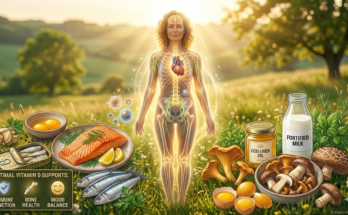

A Comprehensive Health Guide | Evidence-Based Wellness
If there is one nutrient that modern science keeps circling back to with renewed urgency, it is Vitamin D. Despite its name, Vitamin D is not merely a vitamin — it is a powerful hormone precursor that governs hundreds of biological processes inside the human body. From strengthening bones and supercharging immunity to protecting heart health and sharpening mental focus, Vitamin D plays a role that is both sweeping and irreplaceable. Yet, shockingly, over one billion people worldwide are deficient in it.

This comprehensive guide explores what Vitamin D truly is, why your body desperately needs it, how deficiency silently affects your health, and the most effective, research-backed ways to restore and maintain optimal levels — naturally.
What Is Vitamin D? Understanding the Sunshine Vitamin
Vitamin D is a fat-soluble nutrient that exists in two primary dietary forms: Vitamin D2 (ergocalciferol), found in plant-based foods and certain fungi, and Vitamin D3 (cholecalciferol), which is synthesised by the skin upon exposure to ultraviolet B (UVB) sunlight and found in animal-derived foods. Of the two, Vitamin D3 is significantly more potent and effective at raising blood levels of the active hormone.
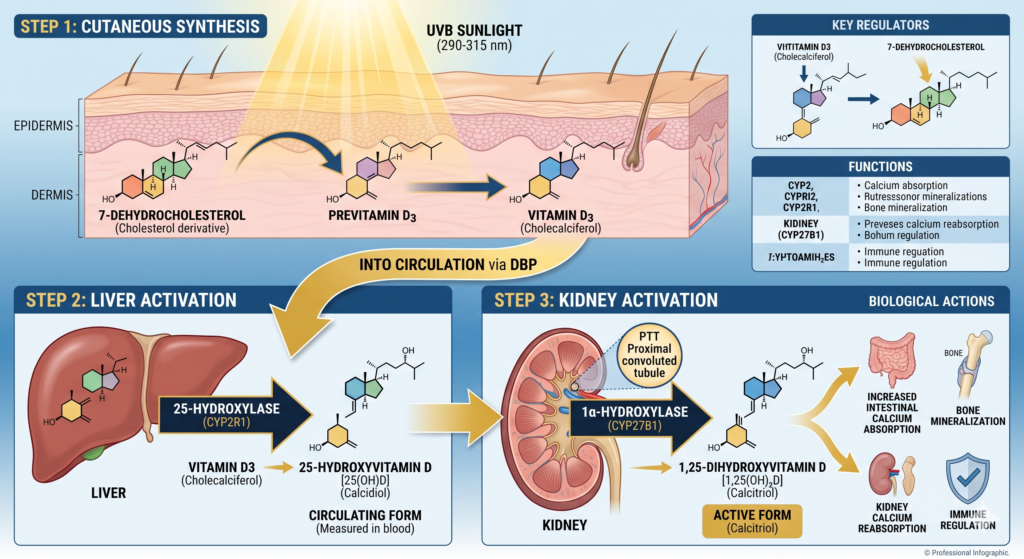
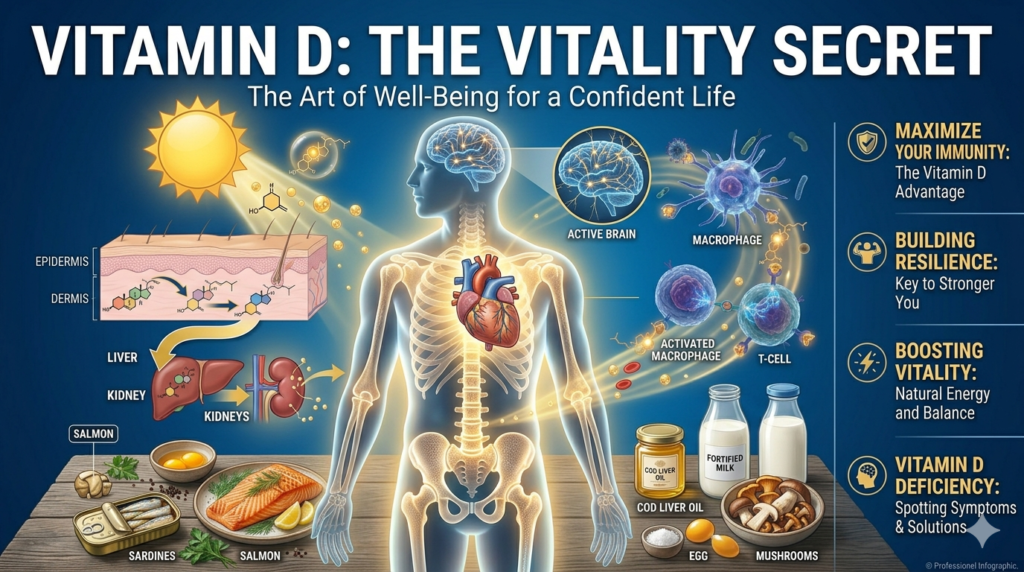
Once absorbed or synthesised, Vitamin D undergoes a two-step conversion process: first in the liver, where it becomes 25-hydroxyvitamin D (the storage form), and then in the kidneys, where it is converted into the biologically active form — calcitriol. It is this active hormone that binds to Vitamin D receptors (VDRs) found in virtually every tissue and organ, orchestrating a remarkable range of physiological functions.
Top Health Benefits of Vitamin D: What Research Reveals
1. Stronger Bones and Prevention of Osteoporosis
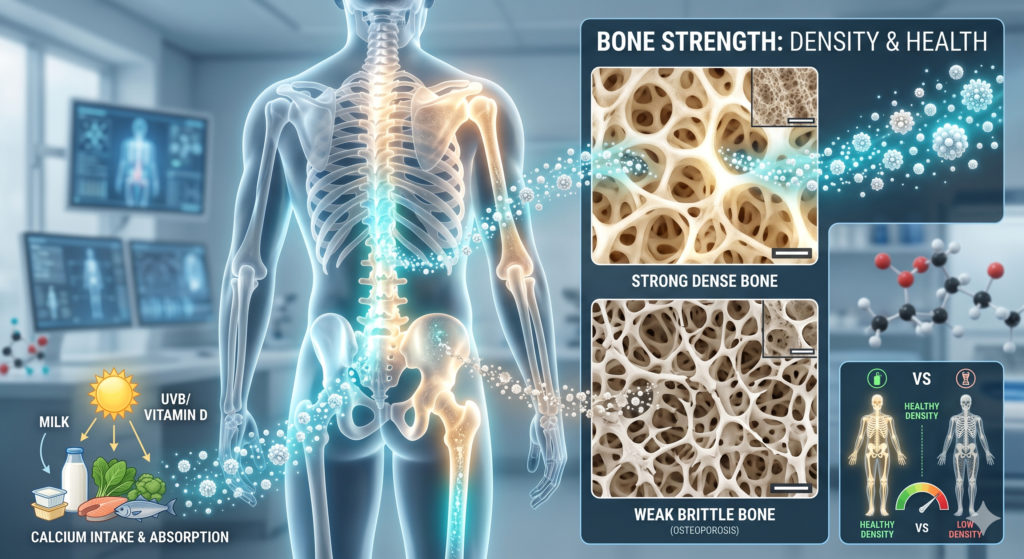
Vitamin D is essential for calcium absorption in the gut. Without adequate Vitamin D, the intestines can only absorb 10–15% of dietary calcium. With sufficient levels, absorption rises to 30–40%. This difference is enormous over a lifetime. Low Vitamin D contributes directly to rickets in children, osteomalacia (soft bones) in adults, and osteoporosis in older individuals — all conditions marked by fragile, fracture-prone bones.
2. Immune System Powerhouse
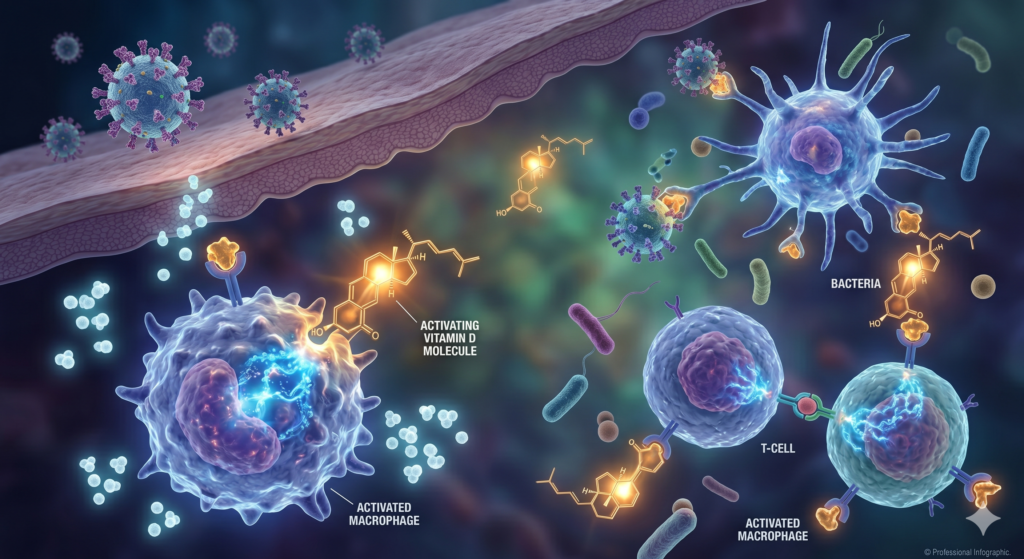
Vitamin D is one of the most critical regulators of immune function. It activates T-cells, the body’s frontline defenders against pathogens, and modulates the inflammatory response. Research shows that people with low Vitamin D levels are significantly more susceptible to respiratory infections, including influenza and COVID-19. Supplementation has been shown to reduce the risk of acute respiratory infections, particularly in those who are deficient.
3. Mental Health and Mood Regulation
Vitamin D receptors are densely concentrated in brain regions responsible for mood, memory, and emotional regulation. Multiple large-scale studies have linked Vitamin D deficiency to higher rates of depression, anxiety, seasonal affective disorder (SAD), and even cognitive decline. Supplementing Vitamin D in deficient individuals has been shown to improve depressive symptoms, supporting its role as a natural mood stabiliser.

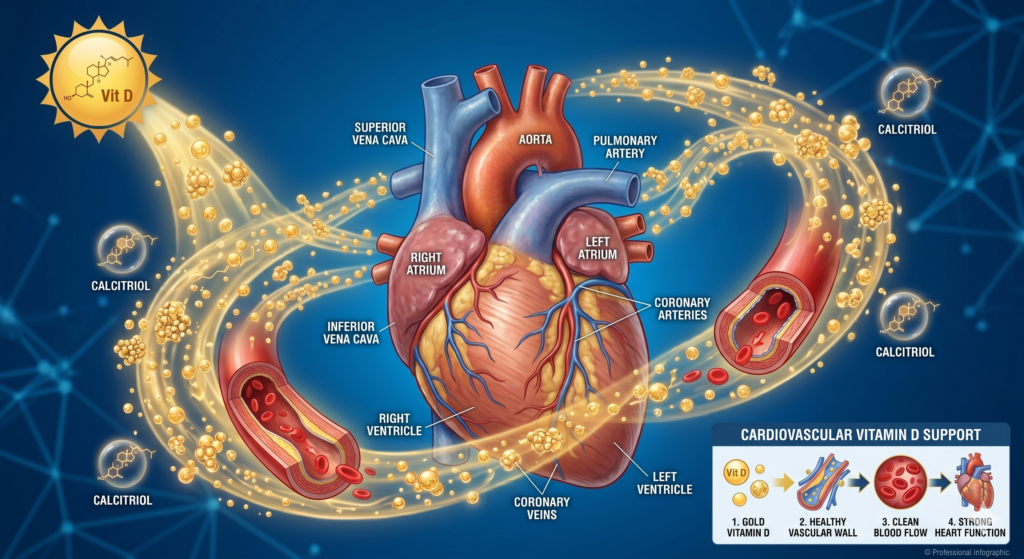
4. Heart Health and Cardiovascular Protection
Emerging evidence points to Vitamin D as a protector of cardiovascular health. It helps regulate blood pressure by suppressing the renin-angiotensin system and reduces arterial inflammation. Deficiency has been associated with increased risk of hypertension, heart disease, and stroke. While more research is ongoing, optimising Vitamin D levels is considered a prudent step in any heart-healthy lifestyle.
5. Weight Management and Metabolic Health
Vitamin D plays an important role in insulin sensitivity and metabolic function. Research has found that deficiency is strongly associated with obesity, insulin resistance, and type 2 diabetes. Fat cells actively sequester Vitamin D, meaning that individuals with excess body fat tend to have lower circulating levels. Maintaining healthy Vitamin D status can support better blood sugar regulation and a healthier metabolism overall.
6. Muscle Strength and Physical Performance
Vitamin D receptors exist in muscle tissue, and adequate levels are closely linked to muscle protein synthesis, strength, and balance. Athletes and active individuals with sufficient Vitamin D demonstrate better performance, faster recovery, and lower injury rates. In older adults, maintaining good Vitamin D status significantly reduces the risk of falls and muscle-wasting (sarcopenia).
7. Cancer Risk Reduction
Several observational studies suggest that higher Vitamin D levels are associated with a reduced risk of certain cancers, particularly colorectal, breast, and prostate cancers. Vitamin D promotes normal cell differentiation, apoptosis (programmed cell death), and inhibits uncontrolled cell proliferation — all mechanisms relevant to cancer prevention. While not a definitive cure, ensuring adequate Vitamin D intake is a sensible part of a cancer-preventive lifestyle.
Signs and Symptoms of Vitamin D Deficiency
Vitamin D deficiency is often called the “silent epidemic” because its symptoms can be subtle, non-specific, and easily attributed to other causes. Common warning signs include:
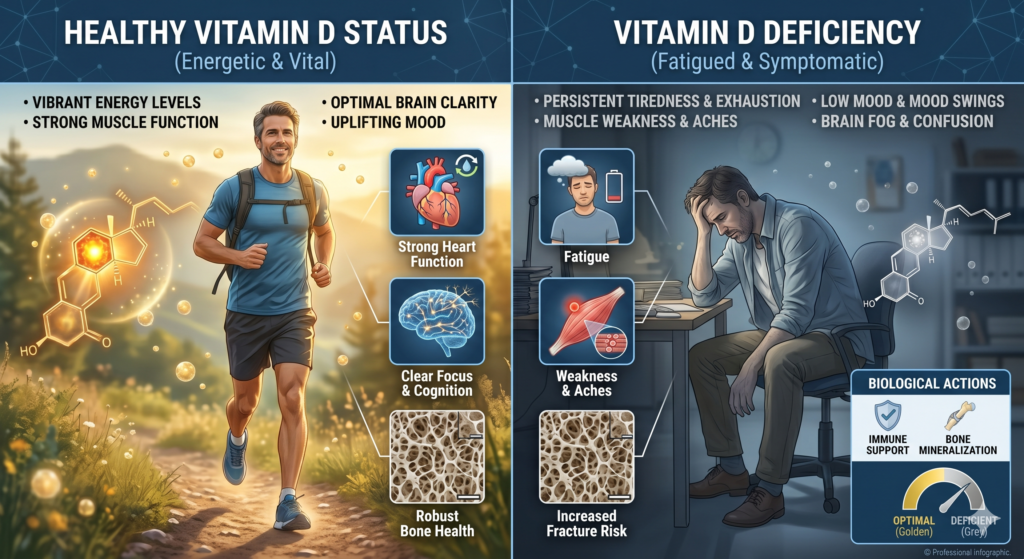
- Persistent fatigue and low energy, even after adequate rest
- Bone pain, tenderness, or frequent stress fractures
- Muscle weakness, cramps, or generalised aches
- Frequent colds, flu, or respiratory infections
- Depressed mood, anxiety, or seasonal low spirits
- Hair loss and slow wound healing
- Cognitive difficulties such as brain fog or poor concentration
- Gut absorption issues, often linked to inflammatory bowel conditions
The only reliable way to confirm deficiency is a simple blood test measuring serum 25-hydroxyvitamin D. Optimal levels are generally considered to be between 40–60 ng/mL (100–150 nmol/L), though recommendations vary slightly by health authority.
Who Is Most at Risk of Vitamin D Deficiency?
While anyone can become deficient, certain groups face a significantly elevated risk:
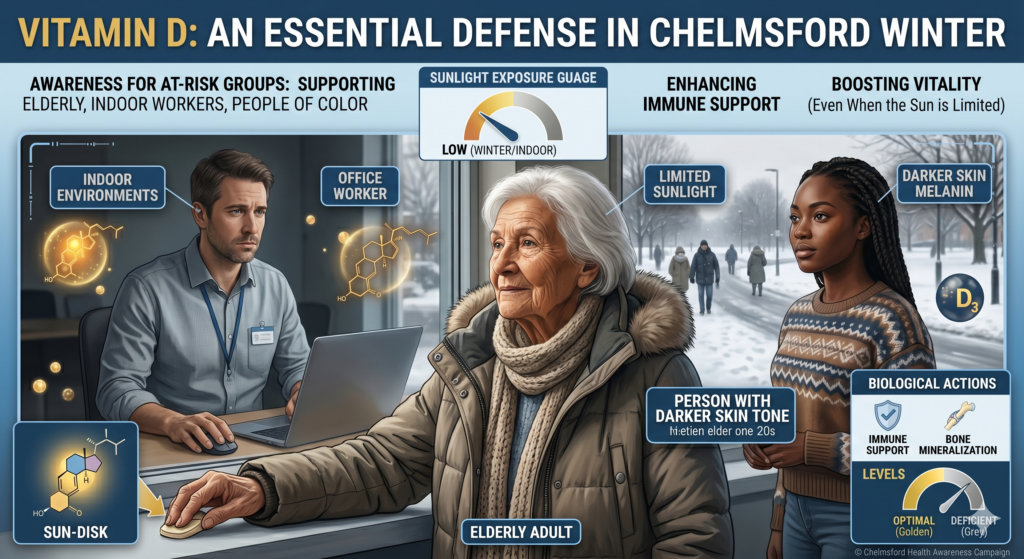
- People who live at northern or southern latitudes with limited sun exposure
- Individuals who spend most of their time indoors
- Older adults (skin becomes less efficient at synthesising Vitamin D with age)
- People with darker skin tones (higher melanin reduces UVB absorption)
- Those who always cover their skin or use high-SPF sunscreen
- Individuals with obesity, liver disease, or malabsorption conditions
- Exclusively breastfed infants without supplementation
- People following strict vegan or plant-based diets
Top Food Sources of Vitamin D
Very few foods naturally contain significant amounts of Vitamin D. The best dietary sources include:
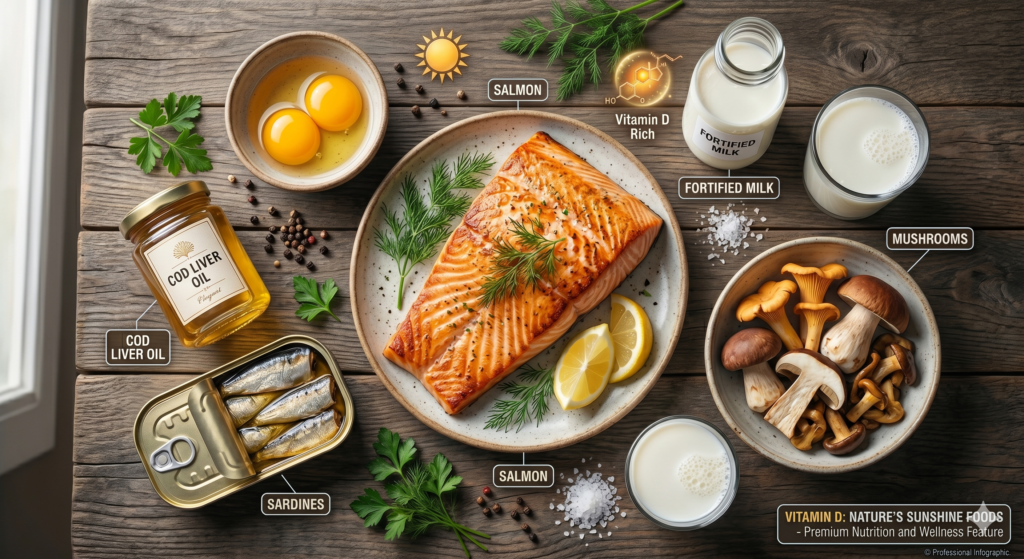
- Fatty fish: salmon, mackerel, sardines, herring, and tuna (highest natural sources)
- Cod liver oil (exceptionally rich — one tablespoon provides over 1,300 IU)
- Egg yolks (especially from pasture-raised hens exposed to sunlight)
- Beef liver (modest amounts alongside other valuable nutrients)
- Mushrooms exposed to UV light (particularly UV-treated shiitake or maitake)
- Fortified foods: milk, orange juice, cereals, and plant-based milks
Sunlight: The Most Natural Source of Vitamin D
Sunlight exposure remains the most efficient way for most people to maintain healthy Vitamin D levels. When UVB rays from the sun hit the skin, cholesterol in skin cells is converted into Vitamin D3 — a process that takes as little as 10 to 30 minutes of midday sun exposure on the arms and legs, depending on skin tone, latitude, and season.

Key points to maximise safe sun exposure for Vitamin D synthesis:
- Aim for midday sun (10 AM – 3 PM) when UVB rays are most intense
- Expose large skin areas such as arms, legs, and back where possible
- Avoid burning — short, regular exposures are safer and more effective
- Glass windows block UVB radiation, so indoor sun does not produce Vitamin D
- During winter months in northern climates, supplementation becomes essential
Vitamin D Supplements: What You Need to Know
For individuals who cannot obtain adequate Vitamin D through sunlight or diet alone, supplementation is a safe and highly effective solution. Vitamin D3 (cholecalciferol) supplements are preferred over D2 as they are more bioavailable and raise blood levels more efficiently.
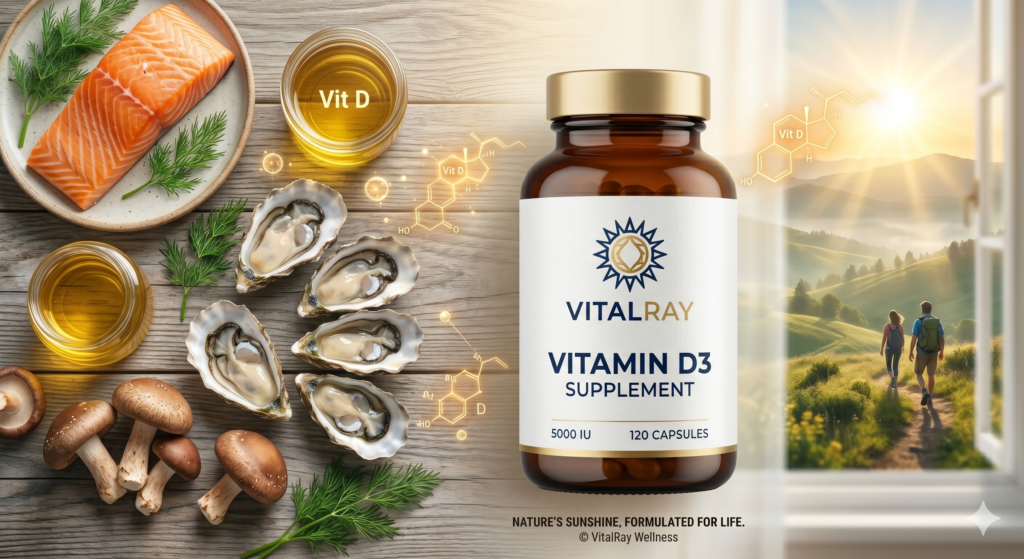
General supplementation guidelines (always consult your doctor for personalised advice):
- Adults with confirmed deficiency: 2,000 – 5,000 IU per day under medical supervision
- General maintenance for adults: 600 – 2,000 IU per day
- Children under 12 months: 400 IU per day (per paediatric guidelines)
- Combine with Vitamin K2 (MK-7 form) to direct calcium into bones and prevent arterial calcification
- Take Vitamin D with a meal containing healthy fats for optimal absorption
- Recheck blood levels every 3–6 months when supplementing at higher doses
Can You Have Too Much Vitamin D? Understanding Toxicity
Vitamin D toxicity — known as hypervitaminosis D — is real but rare, and it cannot occur from sunlight exposure alone. It typically results from taking excessively high supplement doses (generally above 10,000 IU per day for extended periods) without medical monitoring.
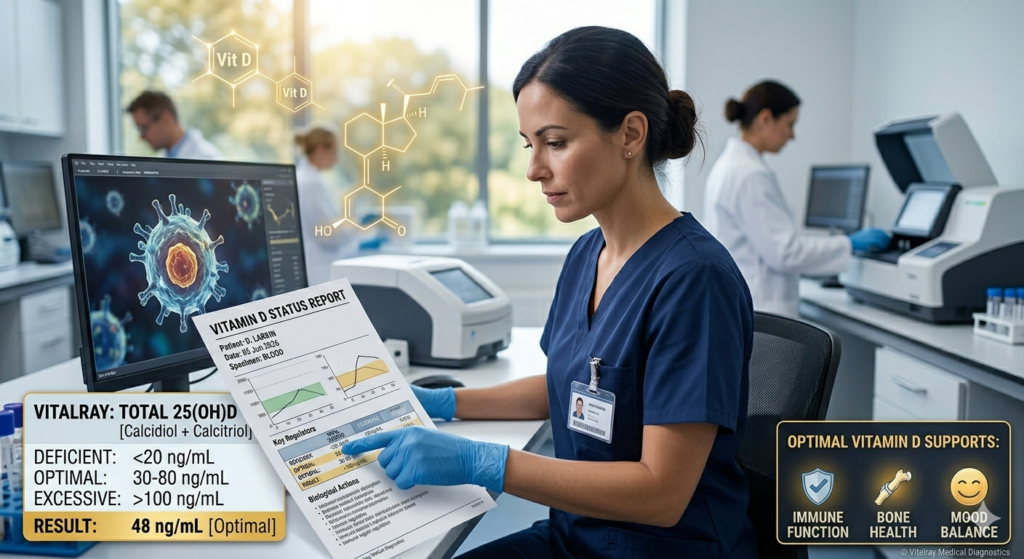
Symptoms of Vitamin D toxicity include nausea, vomiting, weakness, frequent urination, kidney problems, and dangerous hypercalcaemia (high blood calcium). This is precisely why testing and professional guidance are important when supplementing at therapeutic doses. At recommended maintenance levels, Vitamin D is overwhelmingly safe.
Final Thoughts: Make Vitamin D a Daily Priority
Vitamin D is not optional — it is foundational. Its influence stretches across virtually every system in the human body, and the consequences of long-term deficiency are serious, far-reaching, and often overlooked until significant damage has occurred.
The good news? Correcting and maintaining optimal Vitamin D levels is straightforward. A combination of sensible sun exposure, Vitamin D-rich foods, and quality supplementation — guided by regular blood testing — is all it takes. Small, consistent steps today can protect your bones, bolster your immunity, brighten your mood, and add vitality to every decade of your life.
Invest in your Vitamin D. Your body will thank you for it — in ways you can see, feel, and measure.Disclaimer: This article is for informational purposes only and does not constitute medical advice. Please consult a qualified healthcare professional before making changes to your diet or consuming Vitamin D supplements.