
Your Body Knows Before Your Mind Does: Understanding General Anxiety
Millions of people live with a constant hum of dread they can’t explain. Here’s what anxiety actually feels like — and the signs that tell you it’s time to pay attention.
7 min read
Anxiety is not just “being stressed.” It’s a full-body experience — a physiological alarm system stuck on repeat — and for roughly 1 in 14 people worldwide, it becomes something that quietly dismantles daily life.
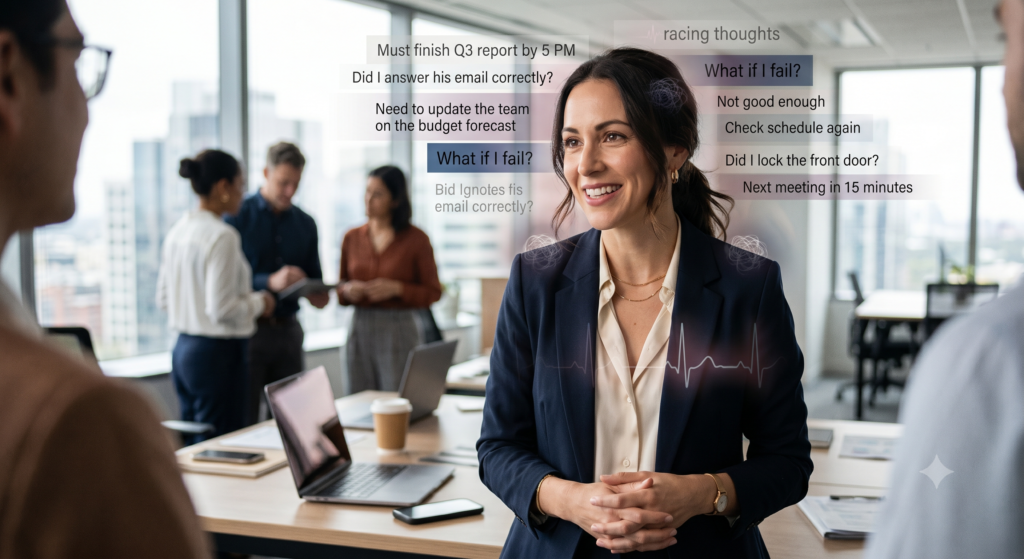
Most people assume anxiety looks like panic attacks and visible trembling. But general anxiety — clinically known as Generalised Anxiety Disorder, or GAD — is far more subtle, and far more common. It hides in plain sight: in the person who checks their emails three times before sending, in the friend who always fears the worst, in the professional who can never quite switch off.
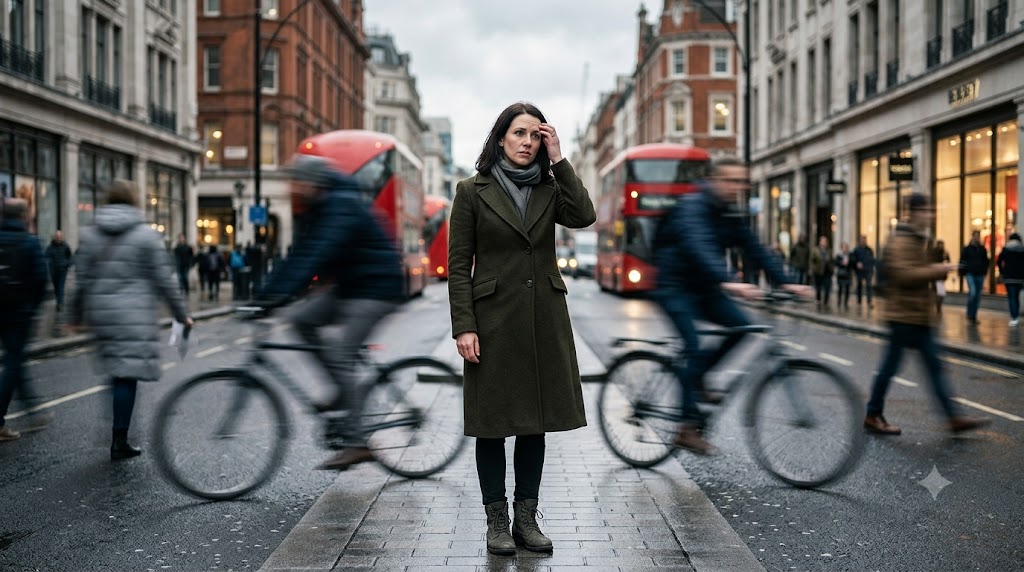
Understanding what anxiety truly is, and learning to recognise its signs early, can be genuinely life-changing. Not because anxiety needs to be cured or suppressed — but because naming it gives you power over it.
What Is General Anxiety, Really?
Generalised Anxiety Disorder is characterised by persistent, excessive worry about a range of everyday situations — work, health, relationships, money, world events — that feels difficult or impossible to control. Unlike a phobia, which centres on a specific trigger, GAD spreads itself thinly across everything.
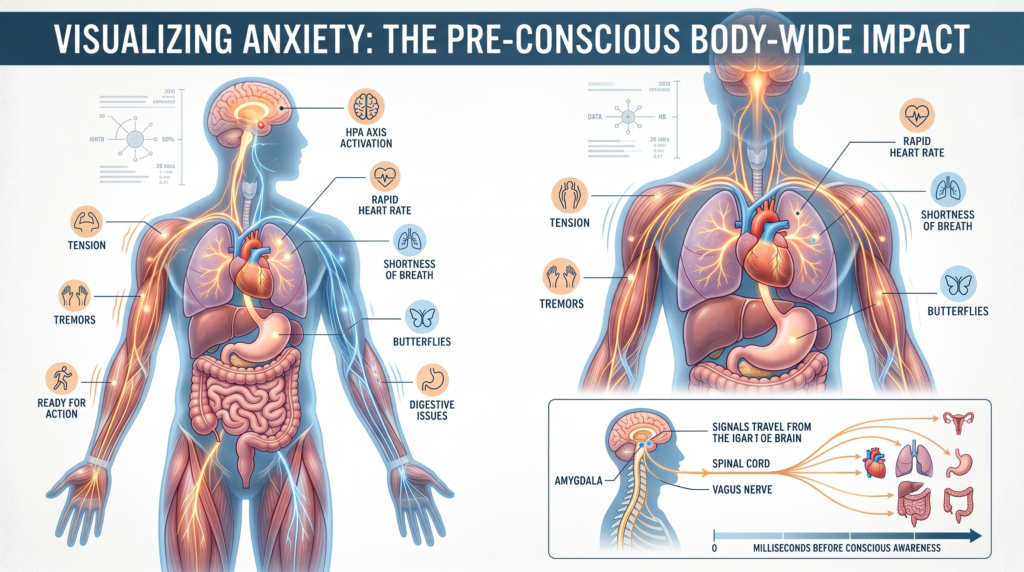
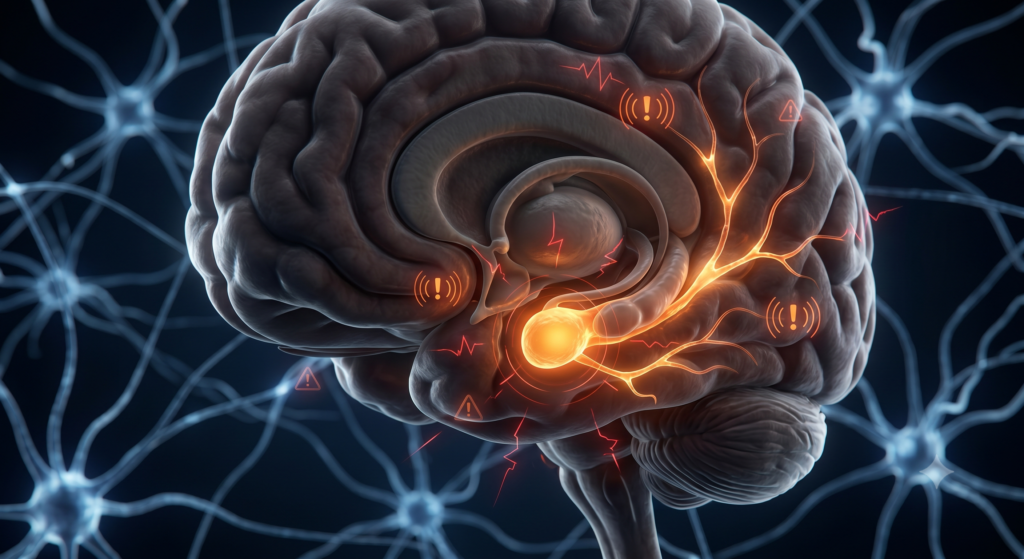
Your brain’s threat-detection system, the amygdala, is essentially stuck in “high alert.” It interprets ambiguous situations as dangerous and keeps your nervous system primed for a threat that never quite arrives. The result? Exhaustion without exertion. Worry without clear cause. Physical symptoms with no obvious illness.
“The worrier doesn’t choose to worry any more than someone with a migraine chooses their headache. It’s a neurological pattern — and patterns can be understood, and changed.”
GAD affects around 6.8 million adults in the US alone, and women are diagnosed at roughly twice the rate of men — though experts believe men are significantly underdiagnosed due to cultural pressures around admitting emotional struggle. In the UK, anxiety disorders are the most common mental health condition, affecting 1 in 6 adults each week.
The Warning Signs: What Anxiety Actually Looks Like
This is where most articles get it wrong. They list “excessive worry” as a sign of anxiety — but that’s circular. The more useful signs are the ones that don’t announce themselves.
| Warning Sign | What it looks like |
| Racing or looping thoughts | Your mind replays conversations, rehearses disasters, or can’t let a problem rest — even when there’s nothing to solve right now. |
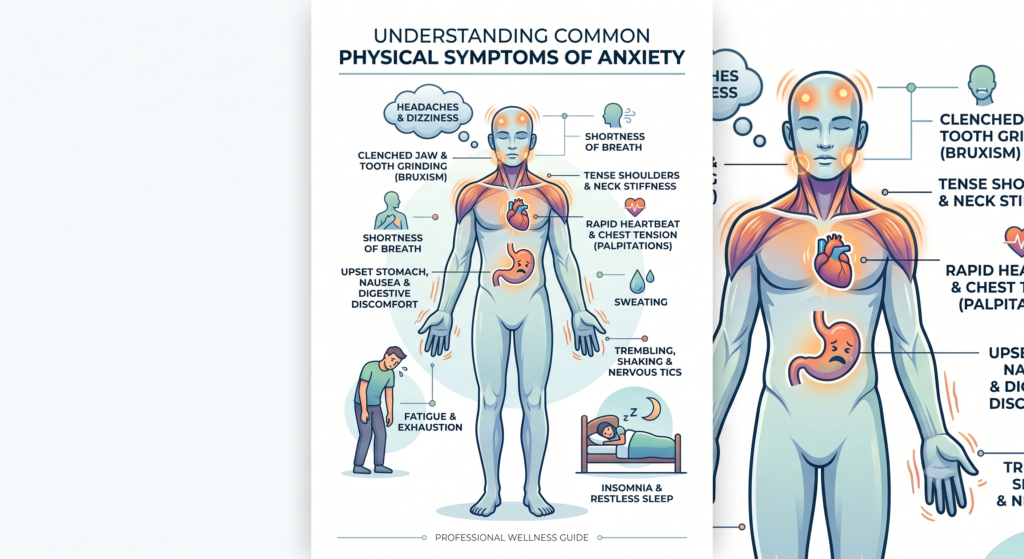
| Physical tension & fatigue | Tight shoulders, a clenched jaw, persistent headaches, or chronic tiredness with no clear cause are classic anxiety signals the body sends. |
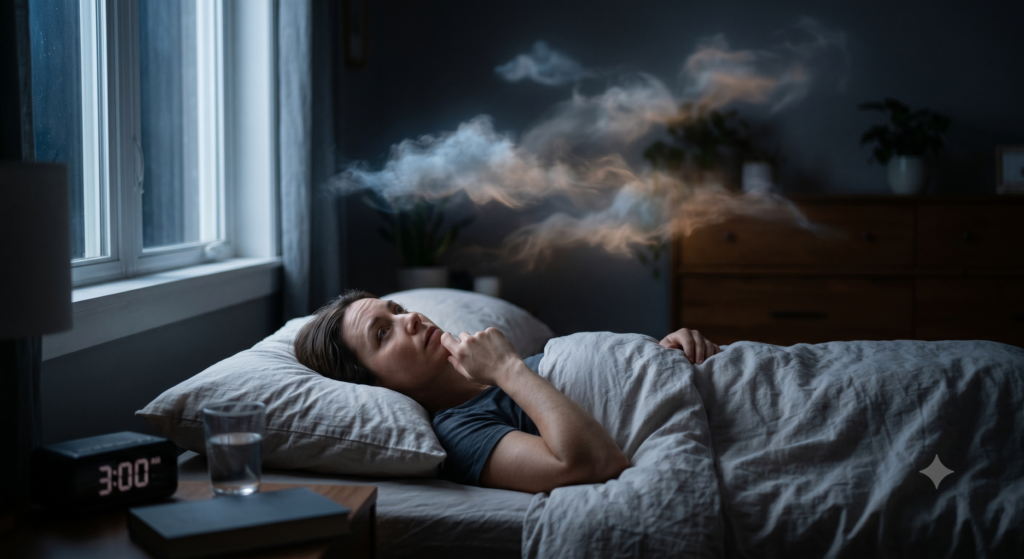
| Sleep disruption | Difficulty falling asleep, waking in the early hours, or not feeling rested despite 8 hours. The anxious mind stays switched on at night. |
| Irritability | Anxiety is exhausting. When your nervous system is constantly running hot, small frustrations can feel overwhelming — and snap responses follow. |
| Catastrophising | A mild cough becomes cancer. A delayed reply becomes rejection. Anxiety hijacks logic and insists on the worst possible interpretation. |
| Difficulty concentrating | When your mental bandwidth is consumed by worry, there’s little left for tasks at hand. This often gets misread as laziness or ‘brain fog.’ |
| Gut symptoms | Nausea, IBS-like cramps, loss of appetite, or digestive upset. The gut-brain axis means anxiety is felt viscerally, not just mentally. |
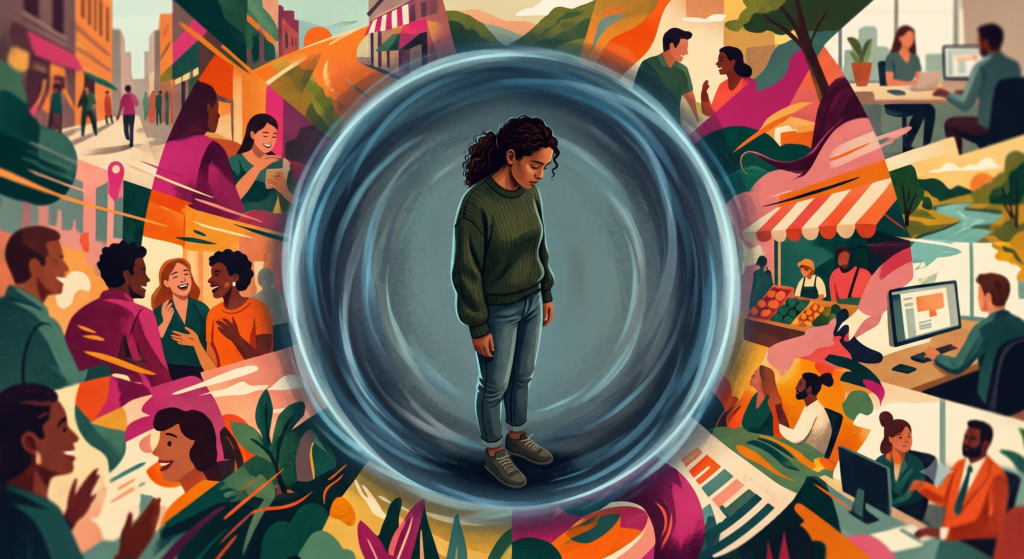
| Avoidance behaviours | Cancelling plans, putting off decisions, or constantly seeking reassurance are anxiety’s coping mechanisms — ones that quietly shrink your world. |
It’s important to note that experiencing some of these occasionally is normal. Anxiety becomes a concern when these signs are persistent (lasting six months or more), disproportionate to actual circumstances, and when they begin to interfere with work, relationships, or everyday functioning.

The Sneaky Signs Most People Miss
Beyond the well-known symptoms, general anxiety has subtler fingerprints. Perfectionism that’s really about preventing criticism. Chronic people-pleasing rooted in fear of conflict. The compulsive need to be “productive” at all times — because resting feels dangerous. Even excessive health Googling, constant news-checking, or an inability to sit quietly all point to an anxious nervous system looking for control.
Procrastination is another hidden sign. It seems like laziness, but it’s often anxiety in disguise — the fear of failing is so acute that not starting feels safer than trying and falling short.
“Anxiety doesn’t always look like fear. Sometimes it looks like being the most organised person in the room, or the one who never says no.”
Why It Goes Unrecognised for So Long
General anxiety is one of the most underdiagnosed conditions because it’s remarkably good at disguising itself. People learn to function around it — building elaborate routines, compensating with control, pushing through with willpower. Many don’t recognise they’re anxious at all; they simply believe they’re “a worrier” or “a perfectionist” or “just stressed.”
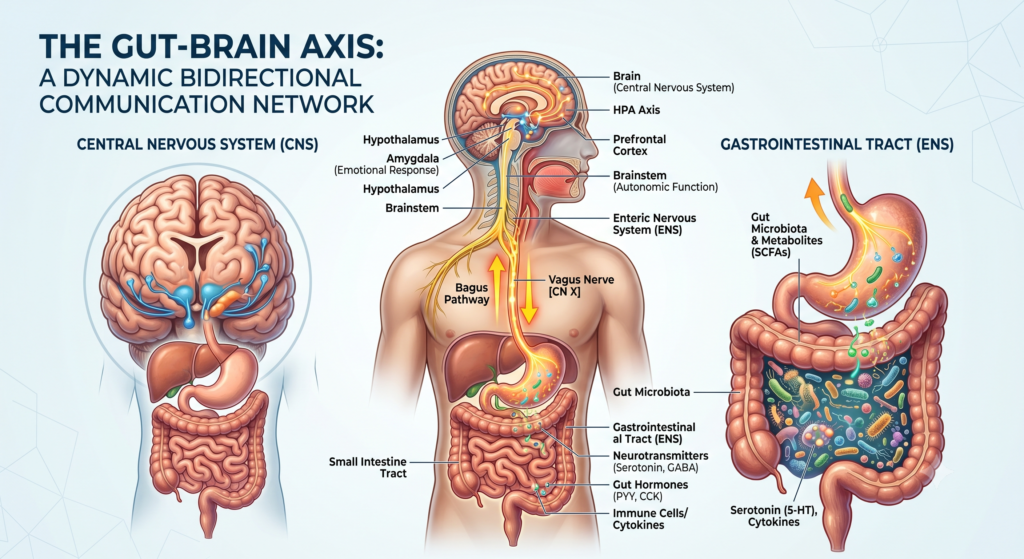
Scientific illustration showing a glowing connection between the human brain and digestive system, representing the gut-brain axis, modern healthcare infographic, clean anatomy-inspired design, realistic medical visualization, professional publication quality
Cultural factors play a role too. In many communities, discussing mental health still carries stigma. And because anxiety so often manifests physically — stomach problems, insomnia, headaches — people see their GP for those specific symptoms, never connecting the dots to anxiety.
WORTH KNOWING The NHS recommends speaking to a GP if you’ve experienced persistent worry, restlessness, or tension that interferes with daily life for six months or more. Anxiety disorders are highly treatable — typically with talking therapies (CBT being most evidenced), lifestyle changes, and in some cases medication.
What You Can Do Right Now
Acknowledging anxiety is its own first step. Beyond that, the evidence is clear: regular physical movement reduces anxious arousal significantly. Quality sleep resets the nervous system. Limiting alcohol (which mimics and amplifies anxiety) helps enormously. Reducing caffeine — particularly if you’re already prone to racing thoughts — can make a quiet but noticeable difference within days.
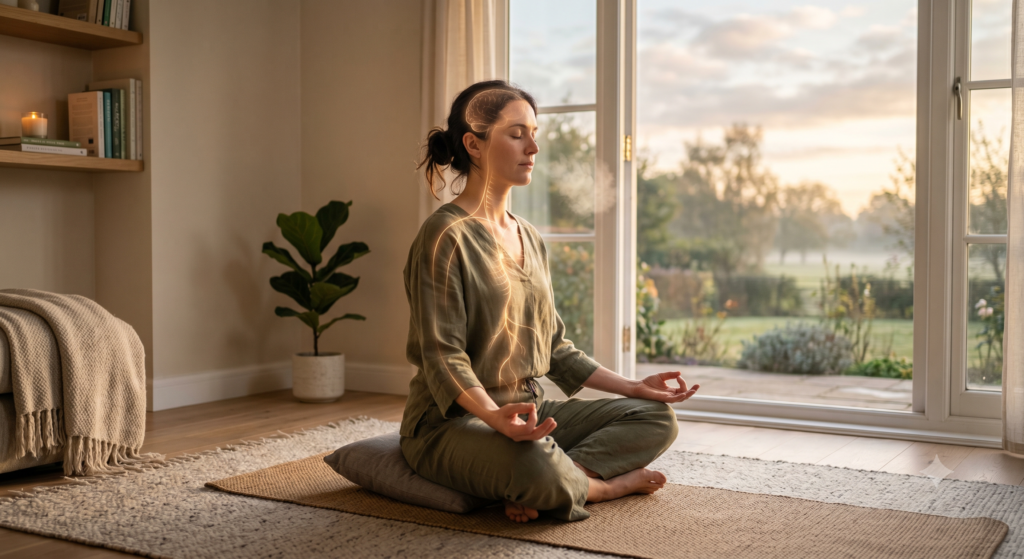
Mindfulness-based practices don’t need to be spiritual or time-intensive. Even five minutes of slow, diaphragmatic breathing — inhale for four counts, hold for four, exhale for eight — activates the parasympathetic nervous system and physically lowers the stress response.
If anxiety is significantly affecting your life, therapy — particularly Cognitive Behavioural Therapy (CBT) — has the strongest evidence base of any psychological treatment for GAD. It works by gently challenging the thought patterns that drive anxiety and building more adaptive responses over time.
General anxiety is not a character flaw. It is not weakness, overthinking, or excessive sensitivity. It is a medical condition with identifiable signs, clear mechanisms, and effective treatments. The more we talk about it plainly and accurately, the sooner people recognise it in themselves — and the sooner they can stop simply surviving it, and start genuinely living.

This article is for informational purposes only and does not constitute medical advice. If you are experiencing persistent anxiety symptoms, please consult a qualified healthcare professional. In the UK, you can also self-refer to NHS Talking Therapies.