
IS YOUR MIND LISTENING?
Signs Your Gut Health Is Deeply Connected to Your Mental Health
June 2026
“The gut is not just a digestive organ — it is a second brain that shapes your thoughts, moods, and emotional resilience.”
Most of us have felt butterflies before a big presentation, or lost our appetite during a stressful week. We tend to dismiss these as coincidences — but science is now telling us something far more profound: your gut and your brain are in constant, intimate conversation. And when one suffers, so does the other.
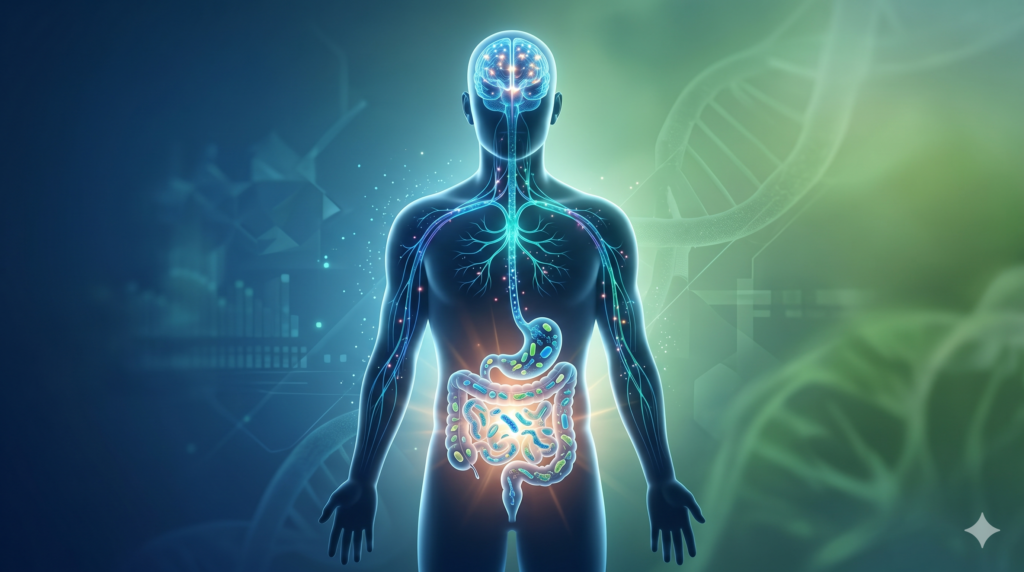
This blog dives deep into the science-backed signs that your gut health is directly influencing your mental wellbeing — and what you can do to restore harmony between your body and your mind.
🔬 The Gut-Brain Axis: A Two-Way Highway
Your gut and brain are connected through a sophisticated communication network called the gut-brain axis. This superhighway runs through the vagus nerve — a long, wandering nerve that carries signals in both directions between your digestive system and your central nervous system.
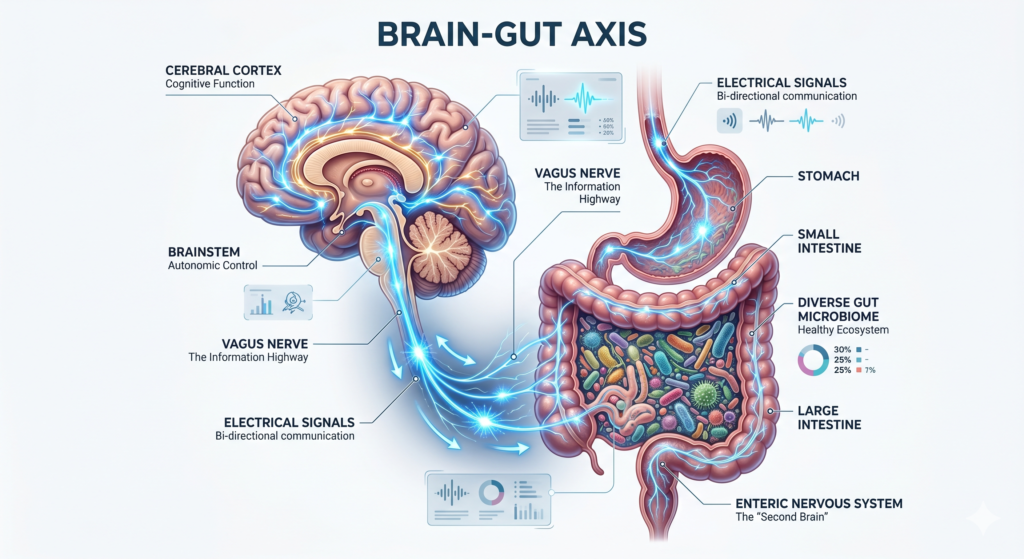
Here is what makes this connection remarkable:
- The Second Brain: Your gut houses over 500 million neurons — more than your spinal cord.
- Serotonin Factory: Approximately 90–95% of your body’s serotonin (the ‘feel-good’ neurotransmitter) is produced in the gut, not the brain.
- Microbiome Power: The trillions of microbes living in your gut — your microbiome — directly influence how your brain functions, reacts to stress, and regulates mood.
💡 Pro Tip: Think of your gut microbiome as a living pharmacy — when it’s balanced, it dispenses mood-stabilizing chemicals. When it’s disrupted, it can flood your system with inflammation and anxiety triggers.
🚦 10 Signs Your Gut Health Is Affecting Your Mental Health
These signs are often dismissed as ‘just stress’ or ‘just a bad stomach day.’ But when they appear together or persistently, your body may be sending you a deeper message.
😟 Sign #1 — Persistent Anxiety Without an Obvious Cause
If you feel chronically anxious yet cannot pinpoint a specific trigger, your gut may be to blame. An imbalanced microbiome produces excess cortisol and reduces GABA production — a calming neurotransmitter. Studies show that patients with irritable bowel syndrome (IBS) have significantly higher rates of anxiety disorders.

🌫️ Sign #2 — Unexplained Brain Fog
Struggling to concentrate, think clearly, or remember things? Gut dysbiosis (microbial imbalance) triggers low-grade systemic inflammation. These inflammatory molecules — called cytokines — cross the blood-brain barrier and impair cognitive function, leaving you mentally sluggish and unfocused.
😔 Sign #3 — Persistent Low Mood or Depression
Since up to 95% of serotonin is produced in the gut, poor gut health can literally starve your brain of mood-lifting chemicals. Research published in Nature Mxietyicrobiology found that certain gut bacteria — including Coprococcus and Dialister — were consistently depleted in people diagnosed with depression.

😴 Sign #4 — Sleep Disturbances
Gut bacteria regulate the production of melatonin — the hormone that governs your sleep-wake cycle. A disrupted microbiome can throw off your circadian rhythm, causing insomnia, restless sleep, or waking at 3am with racing thoughts. Poor sleep then worsens both gut health and mental health — creating a vicious cycle.
⚡ Sign #5 — Extreme Mood Swings or Emotional Reactivity
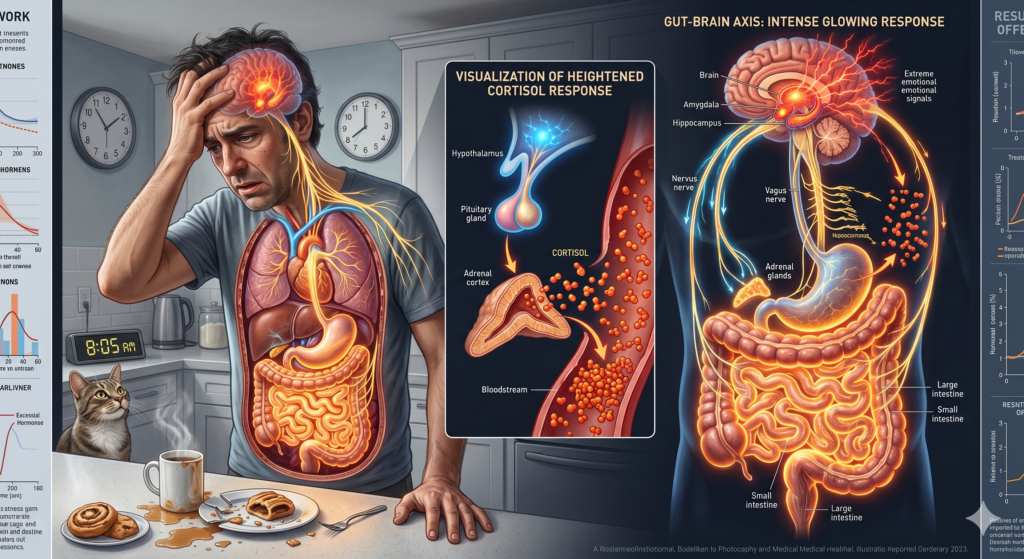
Do small inconveniences trigger outsized emotional reactions? Gut inflammation activates the HPA axis (your stress response system), causing cortisol spikes and exaggerated emotional responses. Think of it as your nervous system operating with the volume permanently turned up.
🍽️ Sign #6 — Intense Food Cravings, Especially Sugar
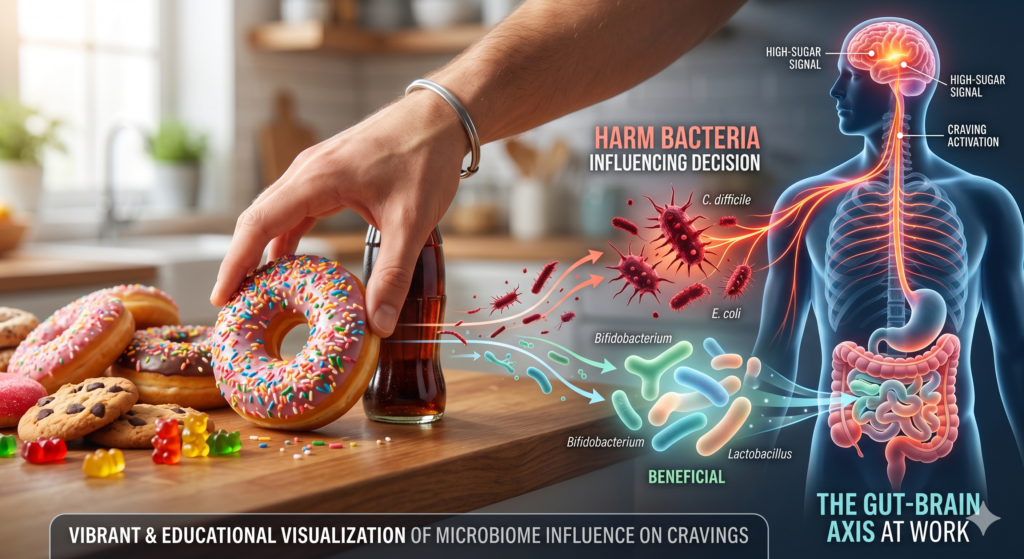
Gut bacteria are not passive passengers — they can actually signal your brain to crave the foods they thrive on. Harmful bacteria and yeast overgrowth crave sugar and refined carbohydrates. Giving in to these cravings feeds the bad bacteria, worsens gut health, and perpetuates mood instability.
😰 Sign #7 — Heightened Stress Response
If you feel like you are always in ‘fight or flight’ mode, your gut may be fuelling it. A leaky gut — where the intestinal lining becomes permeable — allows bacterial toxins called lipopolysaccharides (LPS) to enter the bloodstream, directly activating your brain’s stress centres and keeping you in a state of chronic hyperarousal.
🤢 Sign #8 — Nausea or Digestive Upset During Emotional Events
Do you get an upset stomach before difficult conversations, during conflict, or when anxious? This is your gut-brain axis working in real time. Emotional stress redirects blood flow away from digestion and triggers gut spasms — a direct sign that your mental and gut health are deeply intertwined.
🧠 Sign #9 — Difficulty Making Decisions or Mental Fatigue
Decision fatigue that sets in unusually early may point to neuroinflammation driven by gut imbalances. The prefrontal cortex — your brain’s decision-making hub — is particularly vulnerable to inflammation. When your gut is inflamed, so is your ability to think clearly and decide confidently.
🛡️ Sign #10 — Feeling Overwhelmed or Lacking Emotional Resilience
If you feel like you cannot bounce back from setbacks the way you used to, gut health may be eroding your psychological resilience. A healthy, diverse microbiome produces short-chain fatty acids (SCFAs) that protect brain function and support emotional regulation. When this diversity is lost, so is your emotional buffer.
⚙️ What Disrupts the Gut-Brain Connection?
Understanding what throws this powerful system off-balance is the first step to reclaiming both your gut and mental health:
- Ultra-Processed Diet: Processed foods high in sugar, artificial additives, and seed oils starve beneficial bacteria.
- Antibiotic Overuse: Even short courses of antibiotics can wipe out beneficial microbial colonies that take months to recover.
- Chronic Stress: Chronic stress raises cortisol, which alters gut motility, disrupts the microbiome, and increases intestinal permeability.
- Sleep Deprivation: Less than 7 hours of quality sleep impairs microbiome repair and gut barrier function.
- Lack of Physical Activity: Sedentary lifestyles reduce microbial diversity — the single biggest predictor of a healthy gut.
- Toxin Exposure: Alcohol, smoking, and environmental toxins all damage the gut lining and alter microbial composition.
✅ How to Heal Your Gut and Restore Mental Wellbeing
1. Prioritise a Diverse, Plant-Rich Diet
Aim for 30 different plant foods per week — vegetables, fruits, legumes, whole grains, nuts, and seeds. This diversity feeds a wider range of beneficial bacteria. Focus on prebiotic-rich foods such as garlic, onions, leeks, asparagus, bananas, and oats.
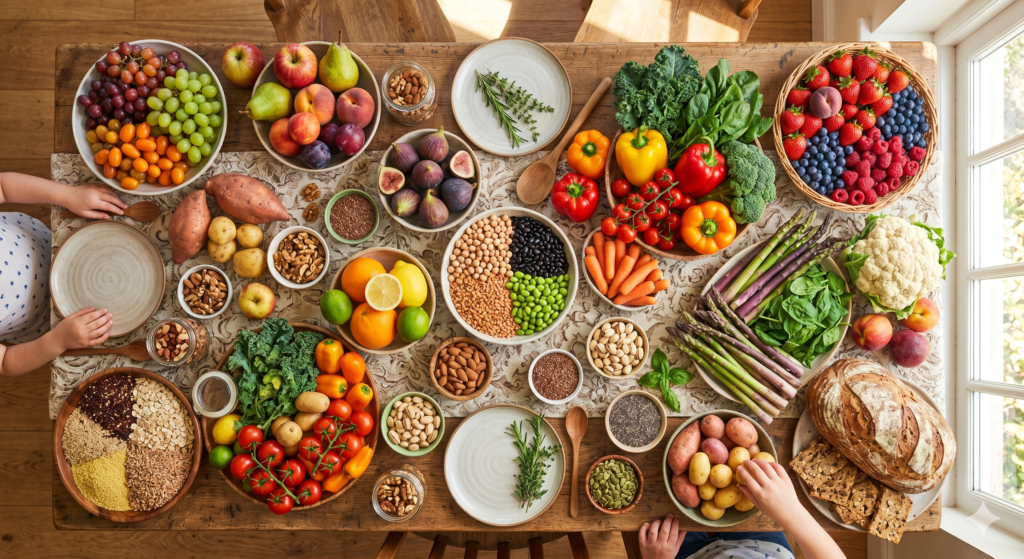
💡 Pro Tip: Eating a rainbow is not just aesthetically pleasing — each colour in plants represents different phytonutrients that feed different strains of beneficial gut bacteria.
2. Introduce Fermented Foods Daily
Fermented foods are nature’s probiotics. Incorporate live-culture yoghurt, kefir, sauerkraut, kimchi, miso, tempeh, and kombucha into your daily diet. Research from Stanford University (2021) found that a diet high in fermented foods significantly increased microbiome diversity and reduced inflammatory markers in just 10 weeks.

3. Prioritise Restorative Sleep
Protect your sleep as a non-negotiable pillar of health. Aim for 7–9 hours of consistent, quality sleep. Your gut repairs itself during deep sleep — and this repair directly correlates with improved mood, reduced anxiety, and sharper cognition the next day.
4. Move Your Body Regularly
Exercise is one of the most powerful tools for increasing gut microbiome diversity. Even 30 minutes of brisk walking five times per week has been shown to measurably improve microbiome composition and reduce symptoms of anxiety and depression.

5. Manage Stress Mindfully
Chronic psychological stress is one of the fastest ways to destroy gut health. Daily practices such as diaphragmatic breathing, meditation, yoga, or even 10 minutes of quiet reading activate the parasympathetic nervous system — shifting your body out of ‘fight or flight’ and into ‘rest and digest’ mode.
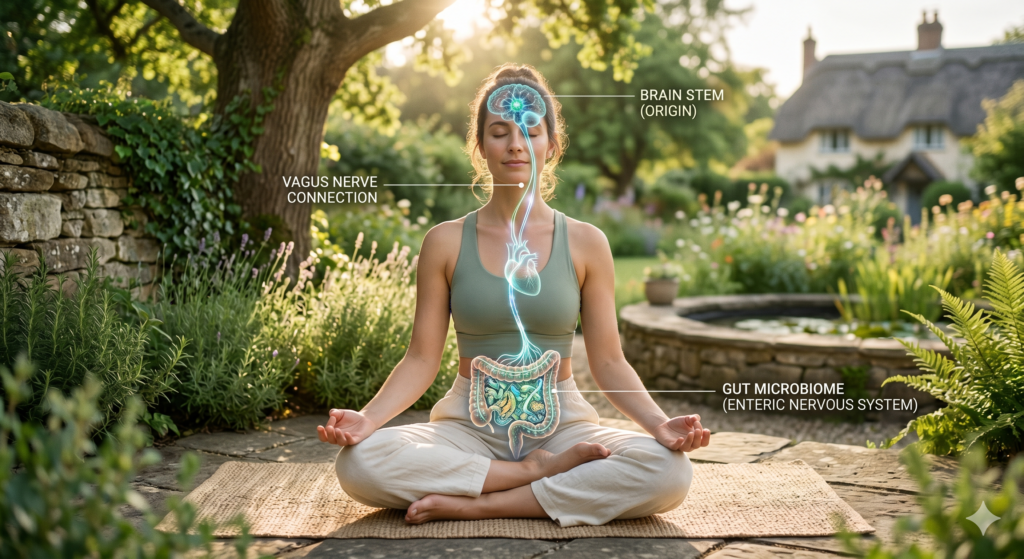
💡 Pro Tip: Diaphragmatic (belly) breathing directly stimulates the vagus nerve — the main communication line between your gut and brain — promoting calm and improved gut motility simultaneously.
6. Consider Targeted Supplementation
Under professional guidance, targeted supplements can accelerate gut-brain healing:
- Probiotics: Lactobacillus and Bifidobacterium strains have the strongest evidence for mood support.
- Prebiotics (e.g., inulin, FOS): Feeds existing beneficial bacteria for sustained microbiome health.
- L-Tryptophan or 5-HTP: A key building block for serotonin and melatonin production.
- Omega-3 Fatty Acids: One of the most studied nutrients for reducing neuroinflammation and supporting mood.
- L-Glutamine: Supports gut barrier repair and reduces intestinal permeability.
🌱 The Bottom Line
“Healing your gut is not just about fixing digestion. It is about reclaiming your clarity, your calm, and your capacity for joy.”
The connection between gut health and mental health is no longer fringe science — it is one of the most exciting and well-evidenced fields in modern medicine. If you have been struggling with anxiety, brain fog, low mood, or emotional instability and conventional approaches have not delivered lasting relief, your gut may hold the missing piece of the puzzle.
The good news? The gut microbiome is remarkably responsive to change. With consistent dietary shifts, lifestyle upgrades, and a commitment to managing stress, you can begin to transform both your gut and your mind — often within weeks, not years.
Listen to your gut. It has more to say than you think.
This article is for informational and educational purposes only and does not constitute medical advice. Always consult a qualified healthcare professional before making changes to your diet, supplement routine, or mental health treatment plan.