
HEALTH BLOG | JUNE 2026
The Truth Your Body Has Been Waiting For
Your body is smarter than you think. Every time you get a cut, catch a cold, or push through an intense workout, your immune system fires up a response called inflammation. In the short term, this is your body’s superpower — a biological alarm system that rushes healing agents to where they’re needed most. But here’s the problem: millions of people today are walking around in a state of chronic, low-grade inflammation that never fully switches off.

This silent state of internal fire is now linked to some of the most common modern diseases — from heart disease and type 2 diabetes to depression, joint pain, and even certain cancers. And the most alarming part? You might not even know it’s happening. There are no dramatic symptoms, just a slow accumulation of damage that builds quietly over years.
The good news is powerful: you have more control over inflammation than most doctors have time to tell you. Through targeted lifestyle choices, smart nutrition, and surprisingly simple daily habits, you can turn down the heat — naturally, sustainably, and without a single prescription.
“Chronic inflammation is not a diagnosis — it’s a lifestyle conversation waiting to happen. And the first sentence of that conversation starts with what’s on your plate.”
What Is Chronic Inflammation — And Why Should You Care?
Acute inflammation is your friend. It’s what makes a sprained ankle swell so your body can repair the damaged tissue. But chronic inflammation is a different beast entirely. Think of it as your immune system stuck in “on” mode — constantly releasing inflammatory chemicals called cytokines into the bloodstream, even when there’s no real threat to fight.
Over time, these cytokines begin attacking healthy cells, tissues, and organs. The result is a slow erosion of health that shows up in ways most people never connect back to inflammation: persistent fatigue, brain fog, stubborn belly fat, achy joints, skin flare-ups, and mood swings. Sound familiar?
Research now identifies chronic inflammation as a root contributor to over 50% of all deaths worldwide — making it one of the most urgent and underappreciated health issues of our time. Yet it’s almost entirely addressable through how we live.
The #1 Trigger Most People Overlook
Before diving into solutions, it’s worth understanding what fans the flames. The modern lifestyle is practically a recipe for inflammation: ultra-processed foods loaded with refined sugar and industrial seed oils, chronic sleep deprivation, sedentary behavior, unrelenting stress, and environments saturated with environmental toxins.

Of all these, diet is the single most powerful lever you can pull. The Standard American Diet — high in processed carbohydrates, trans fats, and artificial additives — creates a perfect storm for inflammatory signaling. Every meal is either working for your body or against it. There is no neutral territory.
Anti-Inflammatory Foods to Eat Every Week
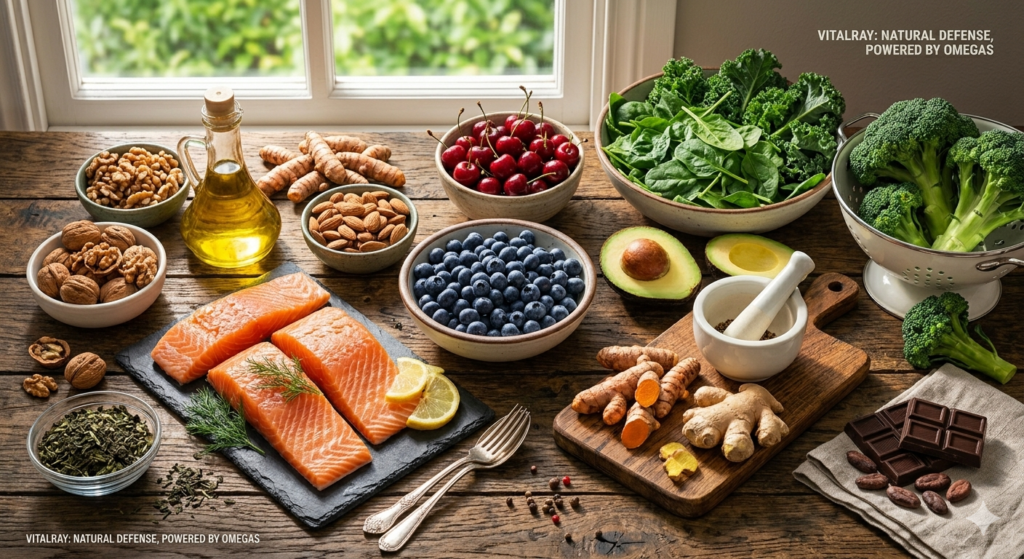
Load your plate with these inflammation-fighting powerhouses:
- Wild-caught fatty fish (salmon, sardines, mackerel)
- Extra virgin olive oil
- Turmeric with black pepper
- Dark leafy greens (spinach, kale, arugula)
- Blueberries, cherries & tart cherry juice
- Walnuts & almonds
- Green tea & matcha
- Ginger (raw or steeped as tea)
- Avocados
- Broccoli & cruciferous vegetables
- Beets (raw or roasted)
- Dark chocolate (70%+ cacao)
7 Suggested Ways to Reduce Inflammation Naturally
01. Embrace an Anti-Inflammatory Diet
Cut processed foods, refined sugar, and vegetable oils. Add omega-3 rich foods and colorful plant foods daily. This single shift can lower inflammatory markers within weeks.
02. Prioritize Deep, Restorative Sleep
Poor sleep floods the body with inflammatory cytokines. Aim for 7–9 hours in a cool, dark room. Even one night of poor sleep measurably spikes inflammatory markers.

03. Move Your Body — But Don’t Overdo It
Regular moderate exercise (brisk walking, swimming, cycling) powerfully reduces inflammation. But overtraining without recovery does the opposite. Balance is everything.
04. Master Stress Before It Masters You
Cortisol, the stress hormone, directly triggers inflammatory pathways. Daily practices like breathwork, meditation, or even 10 minutes of quiet time can make a measurable difference.

05. Hydrate Strategically
Dehydration thickens the blood and concentrates inflammatory compounds. Drink enough water to keep urine pale yellow. Add lemon or a pinch of sea salt for electrolyte balance.
06. Go Outside — Sunlight & Nature Heal
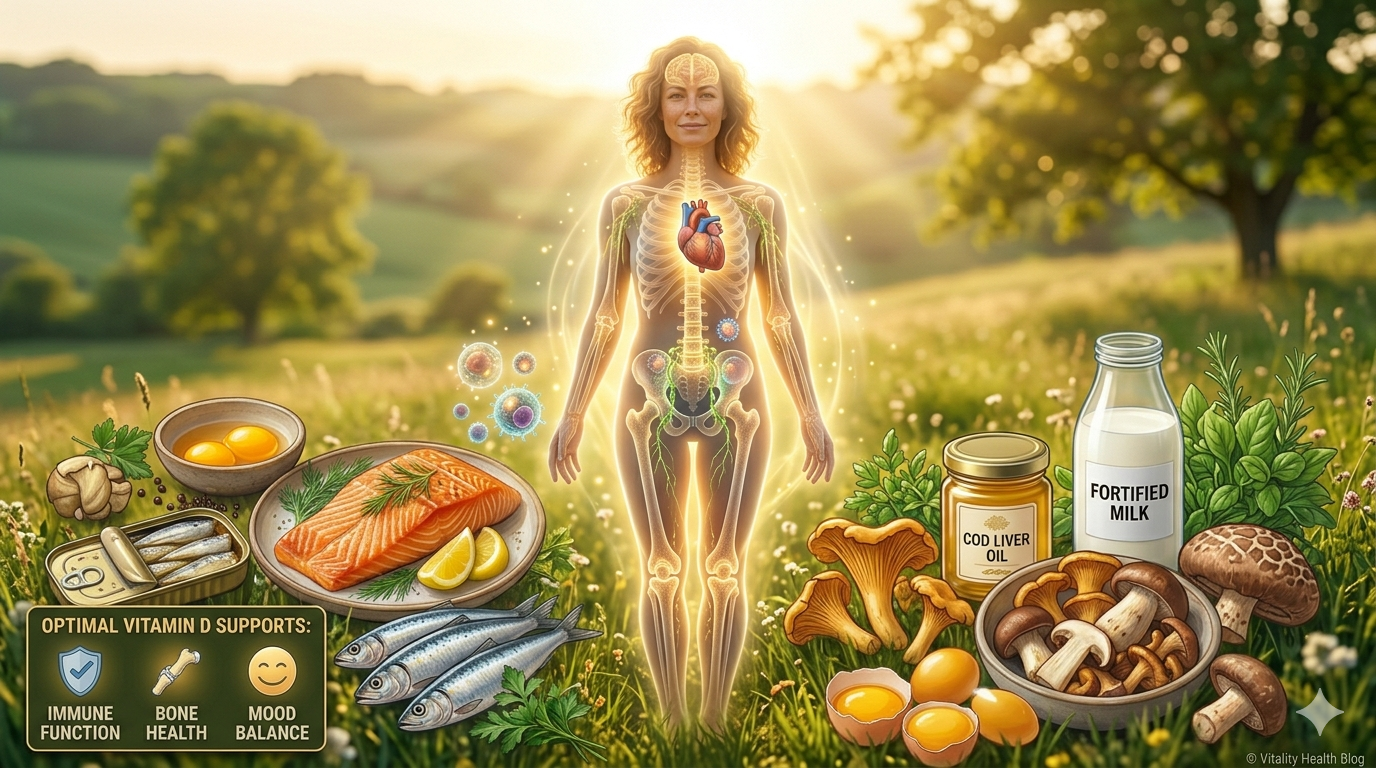
Vitamin D deficiency is directly linked to elevated inflammation. Sun exposure triggers vitamin D synthesis while time in nature measurably lowers cortisol and inflammatory markers.

07. Limit Alcohol & Quit Smoking
Both alcohol and tobacco are direct inflammatory triggers. Reducing or eliminating them is one of the fastest, most measurable steps you can take for whole-body inflammation reduction.
08. Consider Key Supplements
Fish oil (EPA/DHA), curcumin, magnesium, and vitamin D are among the most evidence-backed supplements for reducing systemic inflammation. Always consult your doctor first.
The Gut–Inflammation Connection
Here’s something most people don’t realize: roughly 70% of your immune system lives in your gut. When your gut microbiome — the trillions of bacteria lining your digestive tract — falls out of balance (a state called dysbiosis), your immune system goes haywire, triggering systemic inflammation throughout the entire body.
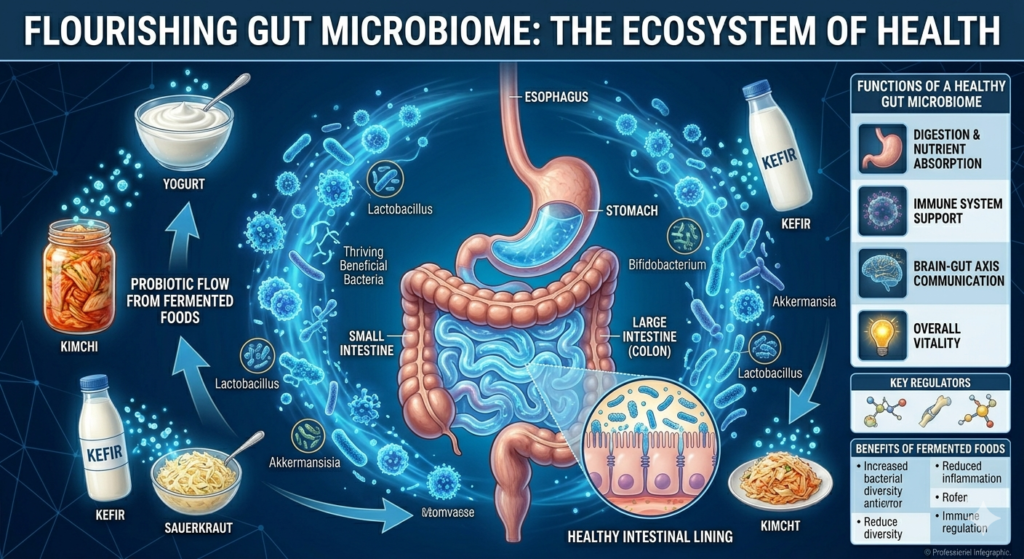
This is why fermented foods like yogurt, kimchi, kefir, and sauerkraut deserve a permanent place on your plate. These foods are rich in beneficial bacteria that restore microbiome balance, reduce intestinal permeability (leaky gut), and directly dampen inflammatory signaling. Pair them with prebiotic fibers — found in garlic, onions, asparagus, and bananas — to feed those beneficial bacteria and watch your inflammation levels drop.
QUICK WINS — Start Today: Swap seed oils for extra virgin olive oil, add one anti-inflammatory food per meal, and set a consistent sleep schedule for 7 days straight. These three changes alone can produce measurable reductions in inflammatory markers within two to four weeks.
How Long Does It Take to See Results?
This is the question everyone asks — and the honest answer is: it depends on how inflamed you are to begin with. Most people who make consistent dietary and lifestyle changes begin noticing improvements within two to six weeks. Better energy, clearer skin, less joint stiffness, sharper mental focus, and improved mood are often the first signs that inflammation is retreating.

Blood markers like C-reactive protein (CRP), interleukin-6 (IL-6), and homocysteine — all measurable through a standard blood panel — typically show meaningful improvement within three months of sustained lifestyle changes. If you haven’t had your inflammatory markers tested, ask your doctor for a high-sensitivity CRP test. It’s one of the most informative and underutilized tests in preventive medicine.
Your Body Is Not Betraying You
Chronic inflammation is not a life sentence. It is a signal — your body’s honest, urgent attempt to tell you that something in your environment, your diet, or your lifestyle needs to change. The remarkable truth is that the human body has an extraordinary capacity to heal when given the right conditions.

Every meal you eat, every night you sleep well, every walk you take, every stressful situation you navigate with intention — these are not small things. They are the daily votes you cast for the future version of your health. Cast them wisely, and your body will respond in kind. The fire can be tamed. And it starts today.
Medical Disclaimer: This article is for informational purposes only and does not constitute medical advice. If you suspect chronic inflammation is affecting your health, consult a licensed healthcare professional for personalized guidance and proper testing.