

Sleep Hygiene: The Foundation of Restorative Health
Good sleep hygiene is the foundation of restorative health. In a world that rarely slows down, sleep is often viewed as optional—something we sacrifice to be productive, socialize, or meet obligations. However, sleep is not a luxury; it is a biological necessity.
Sleep hygiene refers to a set of behaviours, environmental factors, and routines that support consistent, high-quality sleep. When practiced deliberately, it can improve not only how long you sleep but also how well you function physically, mentally, and emotionally.
Why Sleep Hygiene Matters
Sleep affects nearly every system in the body. During sleep, the brain consolidates memories, regulates mood, and clears metabolic waste. At the same time, tissues repair, hormones rebalance, and the immune system strengthens.
In contrast, poor sleep increases the risk of chronic conditions such as diabetes, cardiovascular disease, obesity, and depression. Despite its importance, many people struggle to get adequate rest due to irregular schedules, excessive screen time, stress, and environmental disruptions.
Sleep hygiene offers a structured and practical way to address these challenges.
The Core Principles of Sleep Hygiene
Effective sleep hygiene is built on three pillars: consistency, environment, and behavior. Together, these help align your internal biological clock—known as the circadian rhythm—with your daily routine.
1. Maintain a Consistent Sleep Schedule
Going to bed and waking up at the same time every day is one of the most effective ways to regulate sleep. Consistency reinforces your circadian rhythm, making it easier to fall asleep and wake naturally.
Large schedule shifts—even on weekends—can disrupt this rhythm, leading to “social jet lag.” If adjustments are needed, make them gradually in 15–30 minute increments.

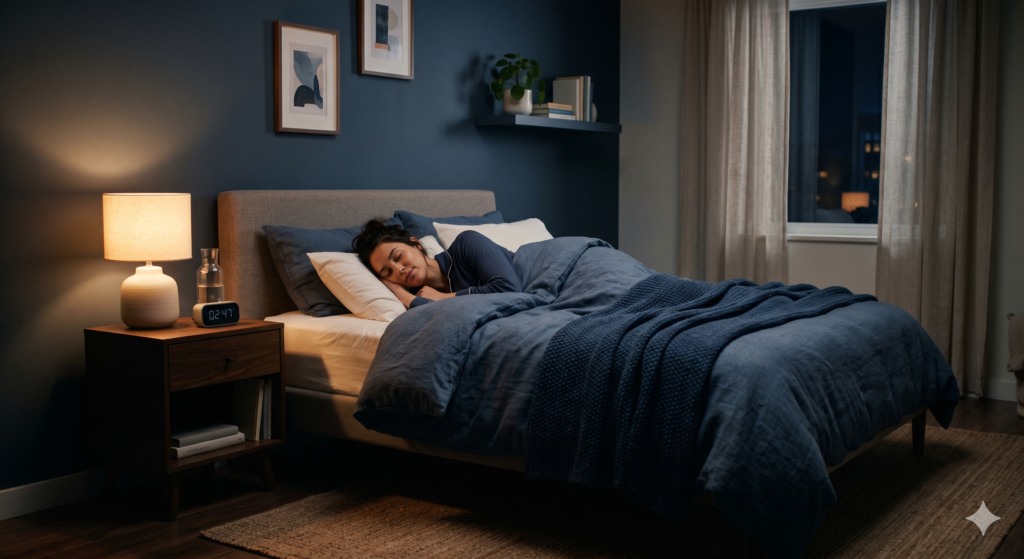
2. Optimize Your Sleep Environment
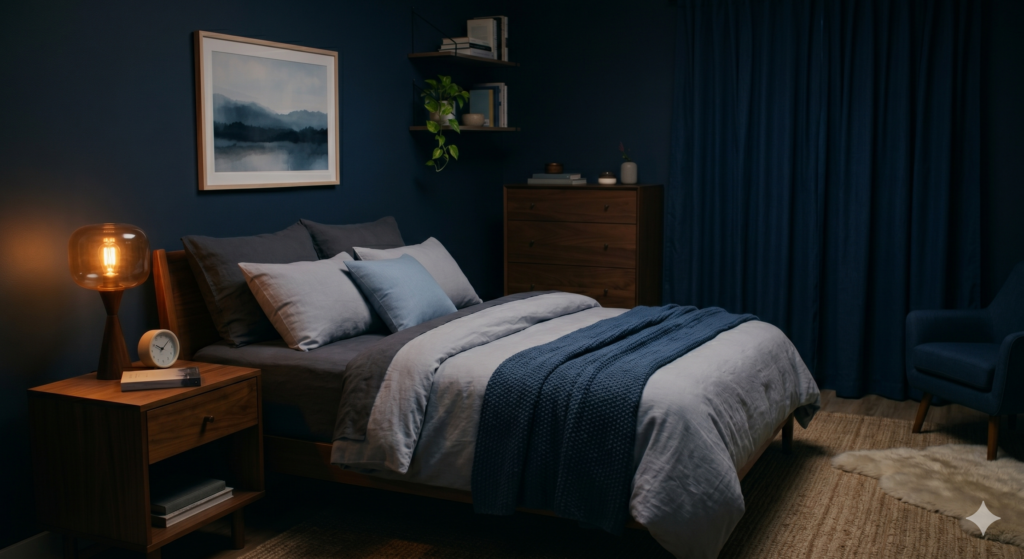
Your bedroom should be a space designed for rest. Three key factors influence sleep quality:
- Light: Darkness signals the brain to produce melatonin, the hormone that promotes sleep. Use blackout curtains or an eye mask if needed.
- Temperature: A cool room (16–19°C or 60–67°F) is ideal for most people.
- Noise: Reduce disturbances with earplugs, white noise, or calming background sounds.
Comfort also matters. A supportive mattress and appropriate pillow can significantly reduce physical discomfort and improve sleep quality.

3. Limit Screen Time Before Bed
Electronic devices emit blue light, which can suppress melatonin production and delay sleep onset. While scrolling or watching TV may feel relaxing, it often interferes with your ability to fall asleep.
Aim to disconnect from screens at least 30–60 minutes before bedtime. If that’s not possible, use blue light filters or night mode settings—though these are only partial solutions.

4. Be Mindful of What You Consume
Diet and stimulants play a major role in sleep quality:
- Caffeine: Found in coffee, tea, chocolate, and soft drinks, caffeine can stay in your system for hours. Avoid it late in the day.
- Alcohol: Although it may initially cause drowsiness, alcohol disrupts deeper sleep stages and leads to fragmented rest.
- Heavy meals: Eating large meals before bed can cause discomfort and indigestion, making sleep more difficult.
Stay hydrated, but avoid excessive fluid intake right before bed to prevent nighttime awakenings.

5. Develop a Pre-Sleep Routine
A consistent wind-down routine signals your body that it’s time to rest. This may include:
- Reading a book
- Taking a warm bath or shower
- Gentle stretching or yoga
- Deep breathing or meditation
Repetition is key—over time, your brain begins associating these activities with sleep.

6. Use the Bed Only for Sleep
Your brain forms associations based on behavior. If you regularly use your bed for work, watching videos, or worrying, it may stop associating it with rest.
Ideally, reserve your bed for sleep (and intimacy). If you can’t fall asleep within 20 minutes, get up and do a quiet, relaxing activity until you feel drowsy.
Regular exercise improves both sleep quality and duration. It helps regulate circadian rhythms, reduce stress, and promote deeper sleep.
However, timing matters. Intense workouts too close to bedtime can be stimulating. Aim to finish vigorous exercise a few hours before sleep, while lighter activities can be done in the evening.
Managing Stress and Mental Overactivity
A racing mind is one of the most common barriers to sleep. Stress, anxiety, and overthinking can make it difficult to relax.
Helpful strategies include:
- Journaling: Writing down thoughts helps clear mental clutter
- Mindfulness meditation: Encourages present-moment awareness
- Breathing exercises: Activates the body’s relaxation response
If stress or anxiety persists, consider cognitive behavioural techniques or professional support.

Napping: Beneficial or Harmful?
Naps can be helpful when used correctly. Short naps (20–30 minutes) earlier in the day can boost alertness and performance.
However, long or late-afternoon naps can reduce sleep pressure, making it harder to fall asleep at night. If you struggle with insomnia, it may be best to avoid naps until your nighttime sleep improves.
When Sleep Hygiene Isn’t Enough
While sleep hygiene is effective for many people, it is not a cure-all. Ongoing sleep issues may indicate underlying conditions such as insomnia, sleep apnea, or restless leg syndrome.
Warning signs include:
- Difficulty falling or staying asleep most nights
- Loud snoring or gasping during sleep
- Excessive daytime sleepiness
- Frequent unexplained awakenings
In such cases, consult a healthcare professional for proper evaluation and treatment.

Building Sustainable Habits
Improving sleep hygiene is not about perfection—it’s about consistency. Small, gradual changes are more sustainable than drastic ones.
Start with one or two habits, such as setting a fixed bedtime or reducing screen use, and build from there. Tracking your sleep patterns can also help identify what works best for you.
Over time, these habits become automatic, reinforcing a healthier sleep cycle.
Final Thoughts
Sleep hygiene is a practical, evidence-based approach to improving one of the most essential aspects of health. By aligning your behaviors, environment, and routines with your body’s natural rhythms, you can achieve more restorative sleep and better overall well-being.
In a culture that often glorifies busyness, prioritising sleep is a deliberate and powerful choice. It is not wasted time—it is an investment that pays off in energy, focus, resilience, and long-term health.