A practical, evidence-based guide to eating well without relying on willpower
Most people don’t fail at healthy eating because they lack willpower. They fail because they don’t have a plan. Research on habit formation and decision-making shows that structure — not motivation — is what makes healthy eating stick.
This isn’t about strict diets or rigid rules. It’s about setting up a system so the healthy choice becomes the easy choice, even on your busiest days. This guide breaks down the science behind meal planning and gives you a clear, practical system to follow.
Why Your Brain Needs a Meal Plan
The average adult makes over 200 food-related decisions each day. Most of these choices happen without much thought. But each one still uses mental energy.
Psychologists call this decision fatigue. As the day goes on, your ability to make thoughtful choices drops. By dinnertime, when you’re tired and hungry, your brain often grabs the easiest option. That option is rarely the healthiest one.

Meal planning removes decisions before they happen. When the plan is already made, you don’t have to choose between a salad and takeout at 6 p.m. You just follow the plan. Studies on planning and self-control consistently show that pre-commitment — deciding in advance — leads to better follow-through than relying on in-the-moment willpower.
The Plate Method: A Simple Framework
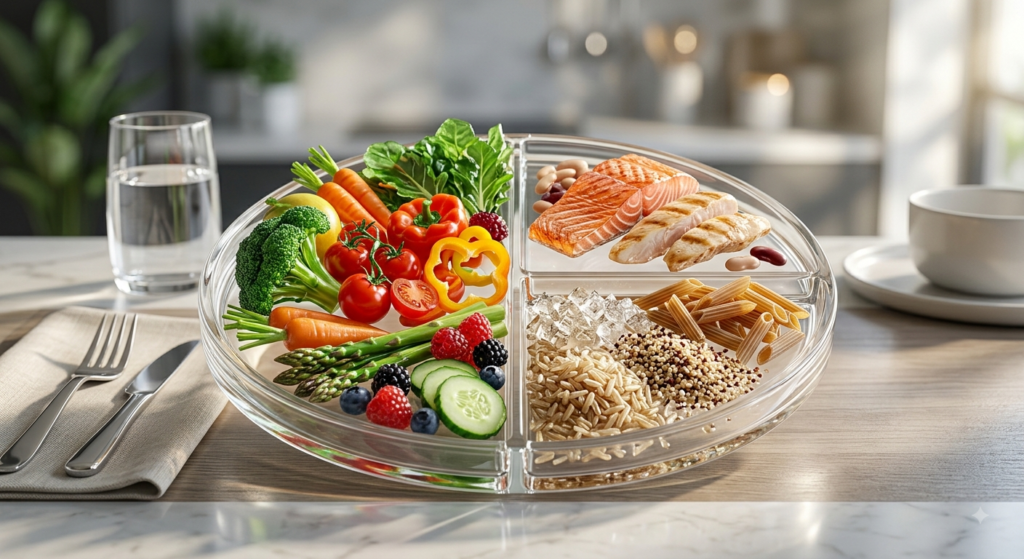
Nutrition scientists at Harvard developed a simple visual tool called the Healthy Eating Plate. It’s based on decades of nutrition research and is easier to follow than counting calories or grams.
Here’s the basic structure:
Half your plate: vegetables and fruit. Aim for variety and color. Potatoes don’t count here, since they act more like a starch.
A quarter of your plate: protein. Choose fish, poultry, beans, or nuts more often than red or processed meat.
A quarter of your plate: whole grains. Brown rice, oats, quinoa, and whole wheat bread digest more slowly than refined grains, which helps keep blood sugar steady.
Healthy fats, used in moderation. Olive oil, avocado, and nuts support heart health when they replace saturated fats rather than adding to them.
This method works because it’s visual, not numerical. You don’t need an app or a food scale. You just need your eyes and a plate.
The Science of Batch Cooking
Batch cooking is one of the most evidence-backed strategies for improving diet quality. A 2017 study published in the journal Appetite found that people who planned meals in advance ate a greater variety of foods and had lower rates of obesity, even after accounting for income and education.
Batch cooking works with your biology instead of against it. Cooking takes energy and planning. If that effort is already done by Monday, you’re far less likely to reach for processed convenience food on Wednesday night.
A simple batch-cooking approach:
Pick two or three proteins to cook in bulk (chicken, lentils, tofu).
Cook one large batch of a whole grain (rice, farro, quinoa).
Wash and chop vegetables for the week in one sitting.
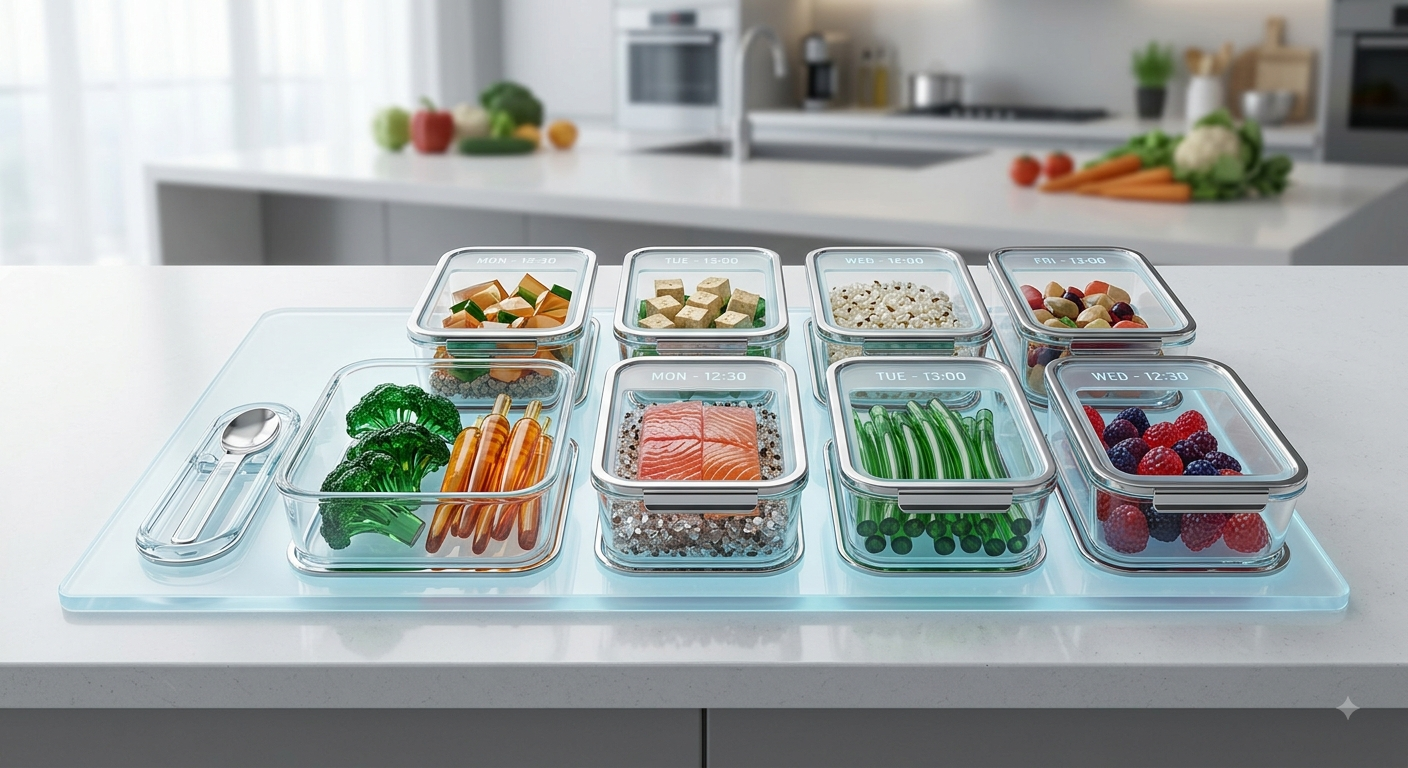
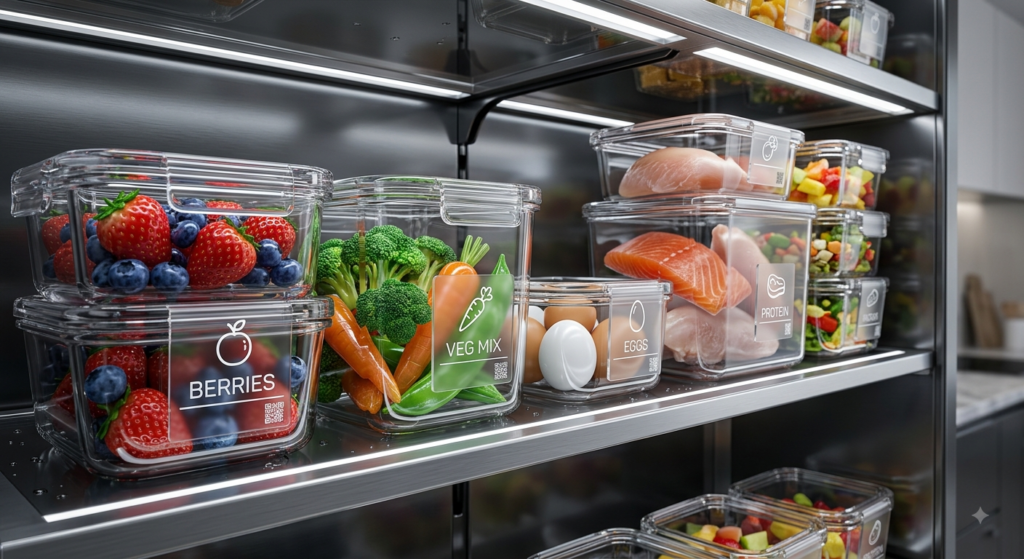
Store everything in clear containers at eye level in the fridge.
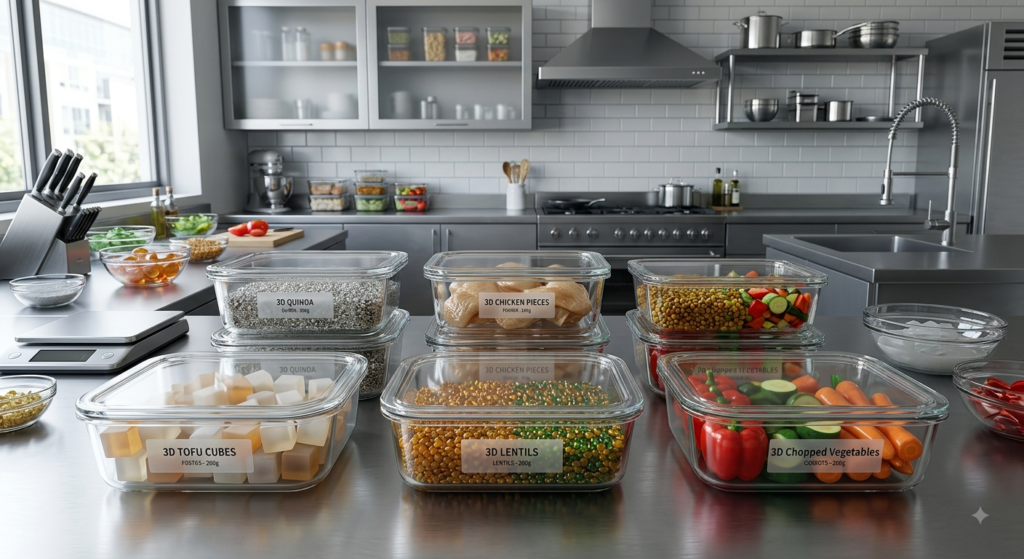
That last step matters more than people expect. Behavioral scientists have shown that visibility drives consumption. Food you can see, you eat. Food buried in the back of the fridge tends to get forgotten, then wasted.
Environment Design Beats Willpower
One of the most consistent findings in behavioral science is that environment shapes behavior more than intention does. This applies directly to eating.
If your pantry is stocked with whole foods and your fridge has pre-prepped vegetables, you’re set up to eat well without trying hard. If your kitchen has no ready options, you’ll default to whatever’s fastest, which is usually not the healthiest choice.
A few environment tweaks that are backed by behavioral research:
Keep a bowl of fruit visible on the counter. Visible food gets eaten first.

Store snack foods out of sight, ideally in opaque containers.
Prep a “grab and go” shelf in the fridge with washed produce and cooked protein.
Keep a small list of 10 to 15 go-to meals. Limiting choice reduces decision fatigue while still allowing variety.
Building a Weekly Plan That Actually Works
A meal plan only works if it matches your real life, not an idealized version of it. Here’s a simple weekly structure:
Review your week first. Note which nights are busy and which nights you’ll have more time to cook.
Assign meal complexity to match your schedule. Save 30-minute meals for weeknights and save more involved cooking for weekends.
Build your grocery list around your plate template. Buy vegetables, a couple of proteins, and one or two whole grains as your base.
Prep in one or two sessions, not every single day. Most of the effort should happen once, not seven times.

Keep backups on hand. Frozen vegetables, canned beans, and eggs are nutritious, shelf-stable, and ready when plans change. Research on food security and diet quality shows that having a stocked backup supply reduces reliance on last-minute takeout, which tends to be higher in calories, sodium, and refined carbohydrates.
None of these steps need to happen perfectly. A meal plan that’s followed 80 percent of the time will do far more for your health than a perfect plan you abandon by Wednesday.
The Bottom Line
Healthy eating isn’t about perfect discipline. It’s about designing a system that makes the healthy choice the easy choice. The plate method gives you a simple nutritional framework. Batch cooking reduces the daily effort required to eat well. And smart environment design means you don’t have to rely on willpower at 6 p.m. on a Tuesday.
Start small. Pick one part of this system, whether it’s the plate method or a single batch-cooking session, and build from there. Meal planning isn’t a strict rulebook. It’s a tool that, once in place, makes healthy eating the default rather than the exception.