
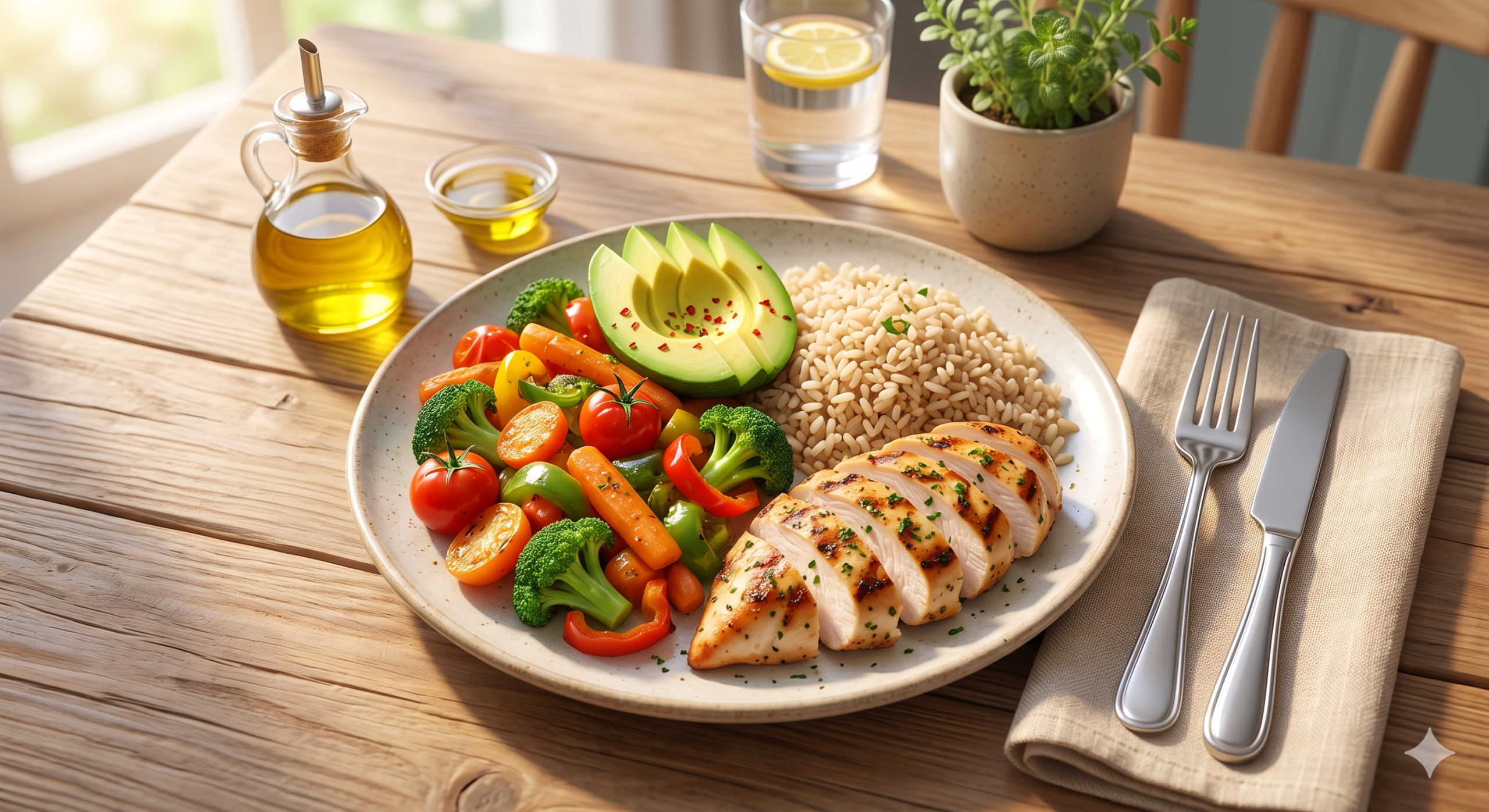
No crash diets, no extreme restrictions. Just a practical, everyday framework to eat well, feel energised, and build habits that actually last.

Whether you’re just starting your health journey or looking to reset your eating habits, the biggest mistake most people make is searching for the perfect diet instead of a sustainable one. This guide cuts through the noise and gives you a realistic, balanced diet plan built around whole foods, smart portions, and daily consistency.
Why Most Diet Plans Fail
The wellness industry floods us with new diet trends every year — keto, intermittent fasting, juice cleanses, carnivore diets. While some of these approaches carry genuine merit for specific individuals, the vast majority of people abandon them within weeks. The reason? They’re designed for dramatic short-term results, not long-term health.

A truly effective diet plan isn’t about cutting everything you enjoy. It’s about understanding what your body actually needs, then making small, consistent choices that support those needs. Science consistently shows that the healthiest populations on the planet — from the Mediterranean coast to the Blue Zones of Japan — eat a wide variety of whole, minimally processed foods, stay active, and rarely obsess over calories.
Let’s build your version of that.
The Foundation: What a Healthy Diet Actually Looks Like
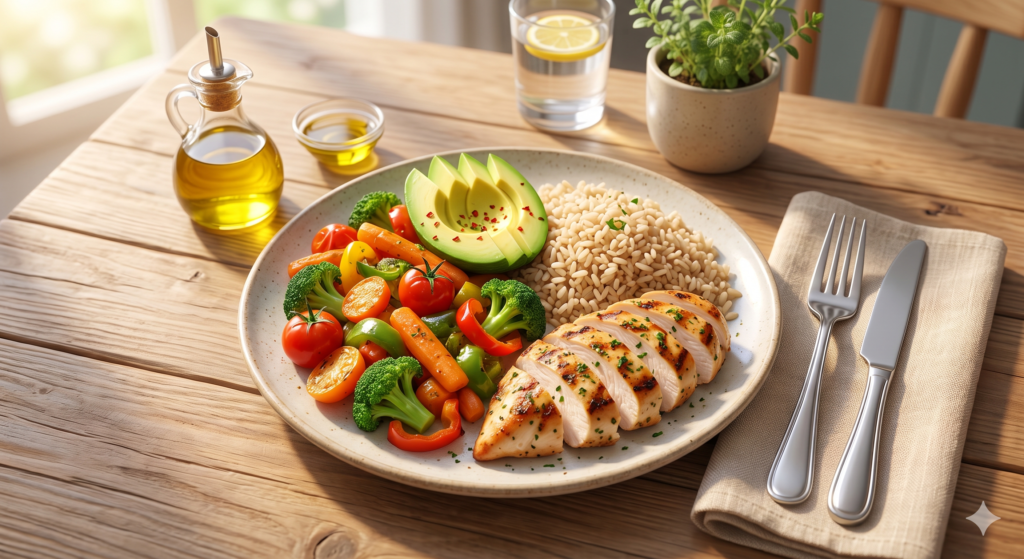
A healthy diet isn’t a rigid script — it’s a flexible framework. Think of your plate as a canvas with three broad zones: vegetables and fruits filling half the space, whole grains occupying one quarter, and lean protein taking the remaining quarter. Add a thumb-sized portion of healthy fats and you have a nutritionally complete meal, every single time.
This approach aligns closely with the Harvard Healthy Eating Plate, one of the most evidence-backed nutritional frameworks in the world. It doesn’t require calorie counting, expensive supplements, or food scales. It simply asks you to be intentional about what fills your plate.
The Big Three Macronutrients
| Macronutrient | Best Sources | Daily Role |
| Protein | Eggs, chicken, lentils, tofu, fish, Greek yogurt | Builds muscle, keeps you full longer |
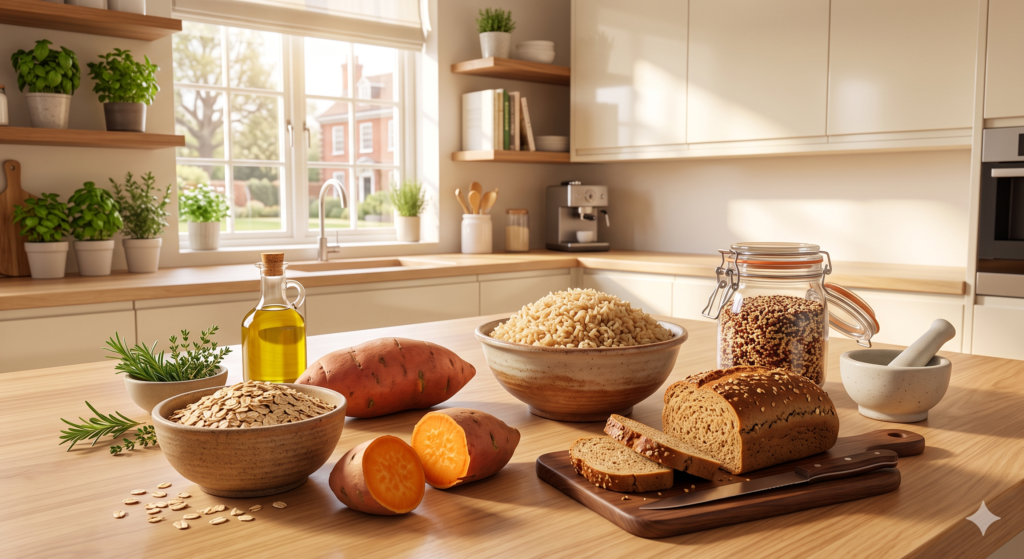
| Complex Carbs | Brown rice, oats, sweet potato, whole-grain bread, quinoa | Sustained energy, gut health, brain function |
| Healthy Fats | Avocado, olive oil, nuts, seeds, fatty fish | Hormone regulation, heart health, vitamin absorption |
Your Simple 7-Day Diet Plan Template
You don’t need a different meal plan for every day of the week. Instead, rotate across a handful of solid, nutritious meals you actually enjoy. Below is a sample daily structure — adjust portions based on your age, activity level, and health goals.
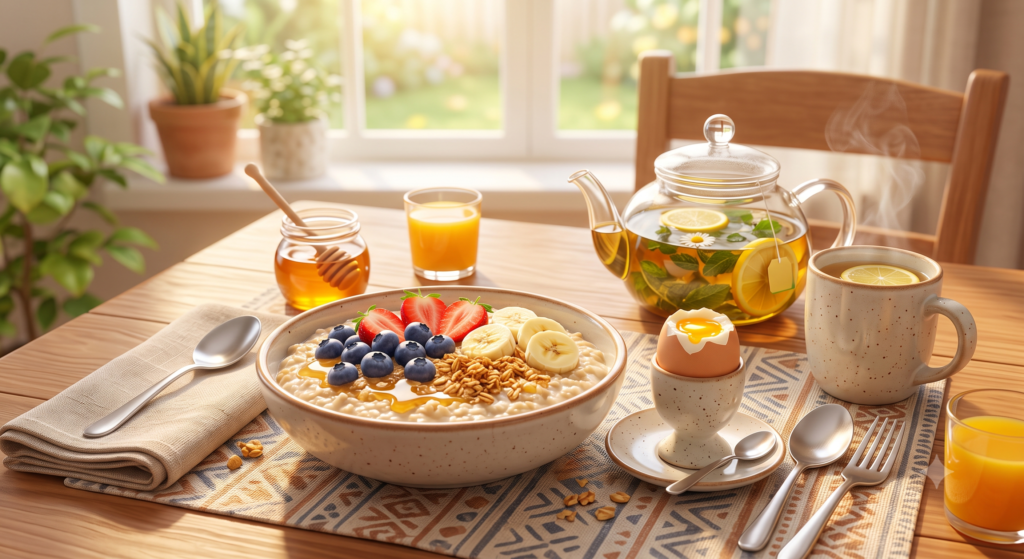
| Breakfast 🌅Fuel Your Morning | Oats with berries and a boiled egg. Or Greek yogurt with banana and walnuts. Aim for protein + fibre within an hour of waking. |
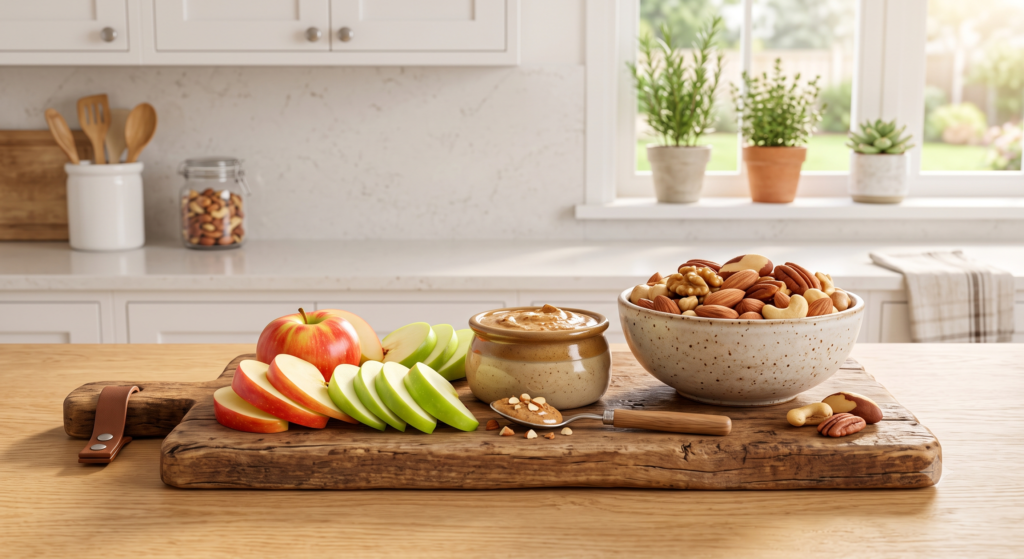
| Mid-Morning Snack ☀️Bridge the Gap | An apple with almond butter, or mixed nuts. Avoid sugary snack bars — they spike energy then crash it fast. |
| Lunch 🌿Your Biggest Meal | Grilled chicken or chickpeas over a large salad with olive oil dressing, plus wholegrain bread or brown rice. |
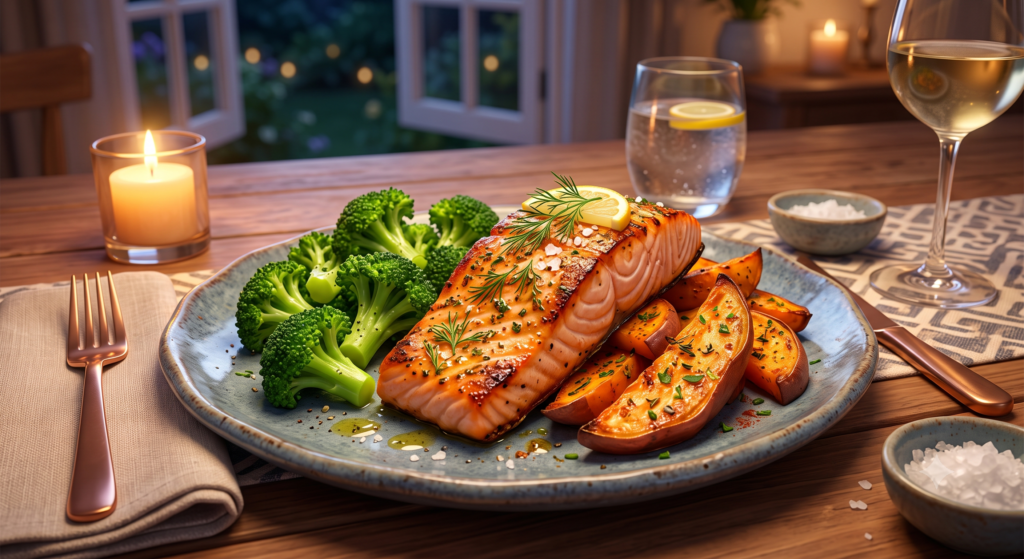
| Dinner 🌙Light but Complete | Baked salmon with steamed broccoli and sweet potato, or a vegetable stir-fry with tofu and brown rice. |
Hydration is the silent pillar of every good diet plan. Aim for 8–10 glasses of water per day. Swap sugary drinks and excessive coffee for herbal teas, lemon water, or infused water. Your metabolism, skin, and digestion will all notice the difference.
Foods to Prioritise Every Week
Rather than focusing on what to avoid, shift your mindset toward abundance — filling your meals with nutrient-dense foods naturally crowds out the unhealthy options.
• Leafy greens daily: Spinach, kale, rocket, and Swiss chard are loaded with iron, folate, and antioxidants. Add a handful to every meal — smoothies, stir-fries, soups, and salads all work.
• Legumes three times a week: Lentils, chickpeas, black beans, and kidney beans deliver plant-based protein, complex carbs, and gut-friendly fibre at a fraction of the cost of meat.
• Fatty fish twice a week: Salmon, mackerel, and sardines are exceptional sources of omega-3 fatty acids, proven to support heart health, reduce inflammation, and improve brain function.
• Colourful vegetables at every meal: The different pigments in vegetables — red, orange, purple, green — each signal unique phytonutrients. The more colour on your plate, the broader your nutritional coverage.
• Whole grains over refined grains: Swap white bread, white rice, and regular pasta for their wholegrain equivalents. This single swap significantly improves blood sugar control and keeps hunger more stable throughout the day.
The 80/20 Rule: Your Permission Slip to Enjoy Life
Healthy eating doesn’t mean eating perfectly 100% of the time. In fact, rigid all-or-nothing thinking is one of the top reasons people give up entirely after one bad meal or weekend.
The 80/20 principle is a far more sustainable target: aim to eat nutritiously about 80% of the time, and allow yourself flexibility for the remaining 20%. That slice of birthday cake, the restaurant dinner with friends, the occasional takeaway — these are part of a full life.
Progress, not perfection, is what moves the needle on long-term health.
Diet Tips That Actually Make a Difference
Beyond what you eat, how you eat matters just as much. These evidence-backed habits can dramatically improve the way your body absorbs and uses nutrients.
✓ Eat slowly and without screens. It takes about 20 minutes for your stomach to signal fullness to your brain. Eating quickly means you overshoot your needs almost every time. Put your phone down, chew properly, and enjoy your meals.
✓ Don’t skip breakfast. While intermittent fasting works for some, research consistently shows that people who eat a balanced morning meal have better concentration, more stable moods, and make healthier food choices later in the day.
✓ Prep in advance. Meal prepping on Sundays for just one to two hours can eliminate the weekday panic that leads to fast food and skipped meals. Cook a batch of grains, roast vegetables, and portion out snacks for the week ahead.

✓ Read labels once. You don’t need to become a nutrition scientist, but knowing the difference between a product with five natural ingredients versus one with thirty artificial additives is a simple skill that will serve you for life.

✓ Reduce ultra-processed food gradually. Cold turkey elimination rarely works. Instead, pick one ultra-processed item per week — crisps, sugary cereals, fizzy drinks — and find a whole-food swap. Small changes compound into major lifestyle shifts over time.
The Role of Sleep and Movement in Your Diet
No diet plan exists in isolation. Poor sleep dramatically increases cravings for high-sugar, high-fat foods because it elevates ghrelin (the hunger hormone) and lowers leptin (the satiety hormone). Getting seven to nine hours of quality sleep each night is, quite literally, one of the most powerful dietary interventions available to you.

Similarly, regular physical activity — even a 30-minute brisk walk most days — improves insulin sensitivity, which helps your body use the carbohydrates you eat far more efficiently. You don’t need a gym membership. Walking, cycling, swimming, or home workouts all qualify.

Think of healthy eating, good sleep, and regular movement as three legs of the same stool. Remove one and the whole thing wobbles.
Final Thoughts: Start Simple, Stay Consistent
The best diet is the one you can stick to for years, not just weeks. You don’t need a dramatic overhaul or a celebrity-endorsed plan. You need a simple, honest relationship with food — one built on whole ingredients, reasonable portions, genuine enjoyment, and the flexibility to be human.
Start with one change this week. Maybe it’s adding a vegetable to lunch, swapping white rice for brown, or drinking an extra glass of water each morning. Then add another change the week after. Before long, those small shifts become your default — and your health will reflect them in ways that go far beyond the number on a scale.

Your body is remarkably forgiving and responsive. Give it what it needs, most of the time, and it will reward you with energy, clarity, and resilience for the long road ahead.
This article is written for informational purposes only. Always consult a qualified healthcare professional or registered dietitian before making significant changes to your diet.

Assalam-o-Alaikum Dr. Faiza,
I have gone through a few of your blogs, and I must say they are very well written and quite impressive. Congratulations on producing such valuable content.
I would like to offer a small suggestion. It may be beneficial to include the PulseWell logo or watermark on the images used in your articles. This can help protect your original content and discourage unauthorized reuse.
In addition, adding a descriptive caption beneath each image with an embedded link to related articles could further enhance user engagement, improve internal navigation, and contribute positively to SEO.
Wishing you continued success with PulseWell.
Qasim