Your Easy Guide to Getting Fit and Feeling Great
Why Starting a Workout Routine Is the Best Thing You Can Do for Your Health
Have you been thinking about getting fit but don’t know where to start? You are not alone. Millions of people feel the same way every single day. The good news is that you do not need a fancy gym membership, expensive equipment, or hours of free time to get started. All you need is a little motivation, some space in your home, and this simple guide.
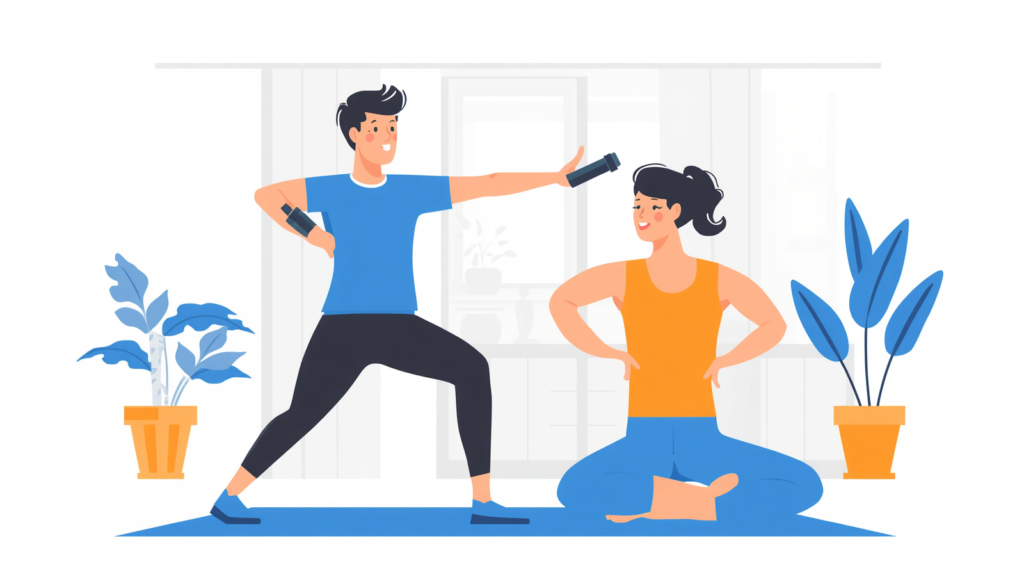
This article is written especially for beginners. Whether you are 16 or 60, whether you have never exercised before or are getting back into it after a long break — this is the right place for you. We are going to walk through everything you need to know about starting a simple workout routine that is safe, fun, and actually works.
Let’s get moving!
What Is a Beginner Workout, and Why Does It Matter?
A beginner workout is a simple exercise routine designed for people who are just starting their fitness journey. It focuses on easy movements that are gentle on your body but still effective at building strength, improving your heart health, and boosting your energy levels.
Here is why beginner workouts matter so much:
They reduce the risk of injury – When you start slowly, your muscles and joints have time to adjust.
They build confidence – Completing small goals makes you feel great and keeps you motivated.
They create healthy habits – A simple routine you can stick to is always better than an intense one you quit after a week.
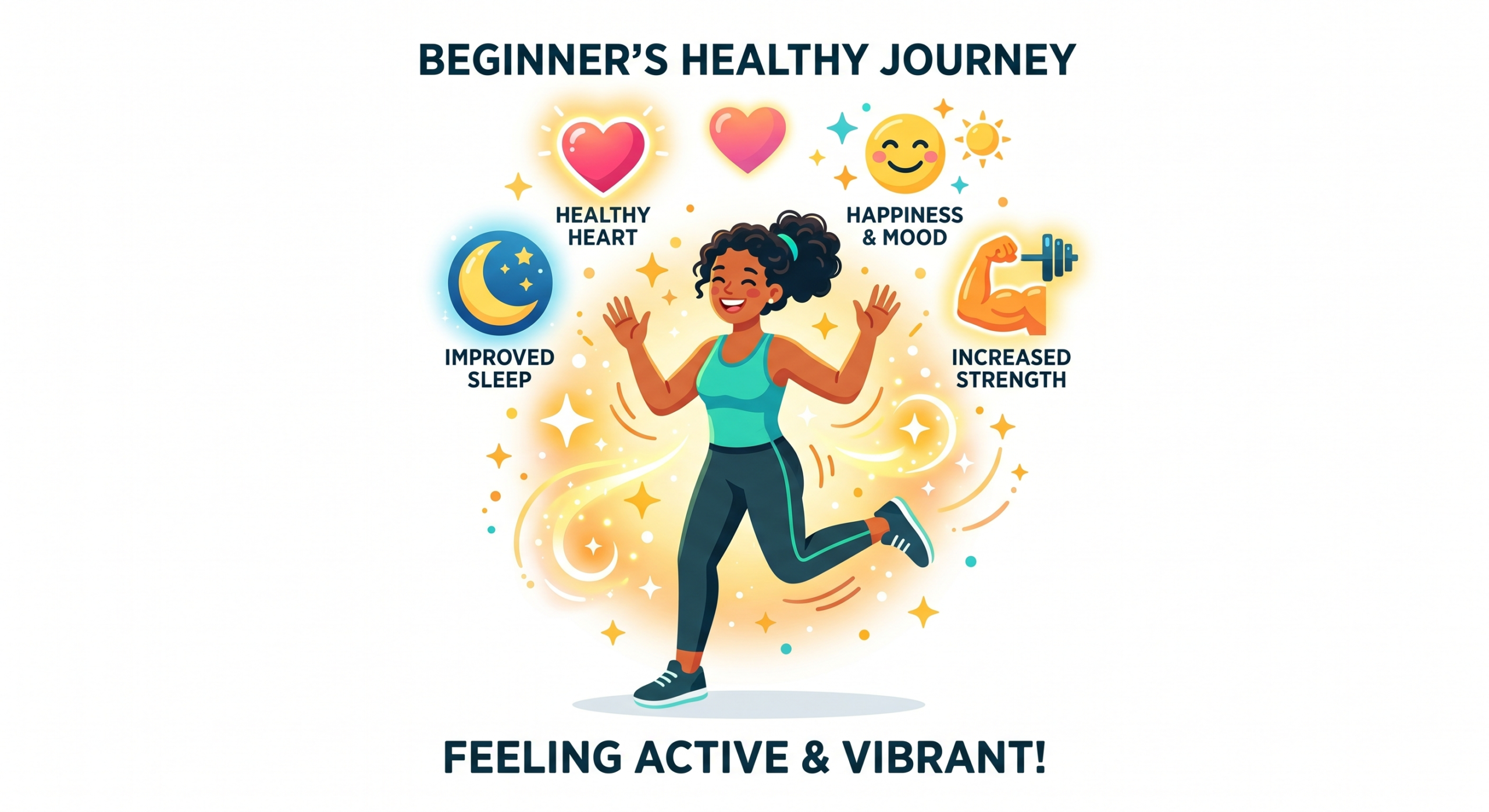
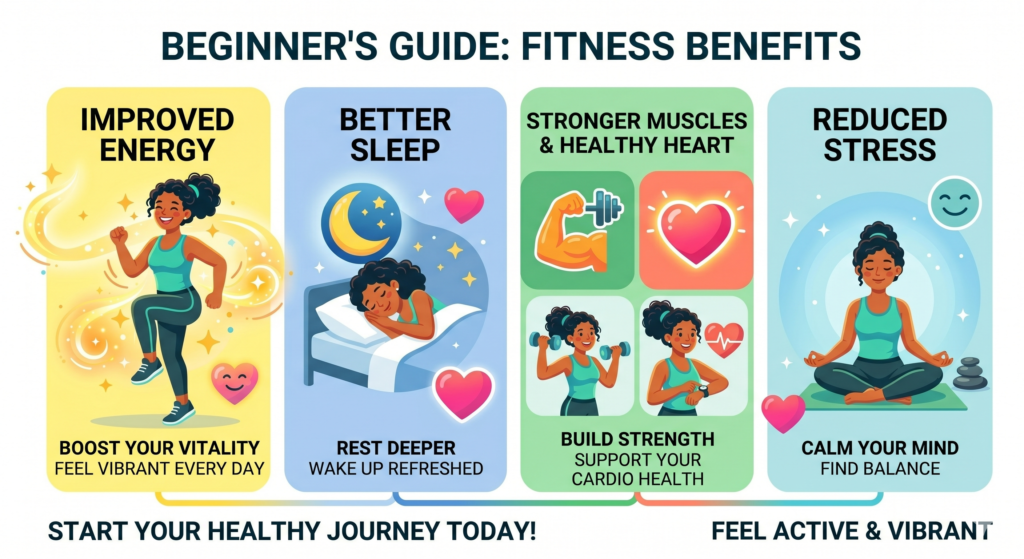
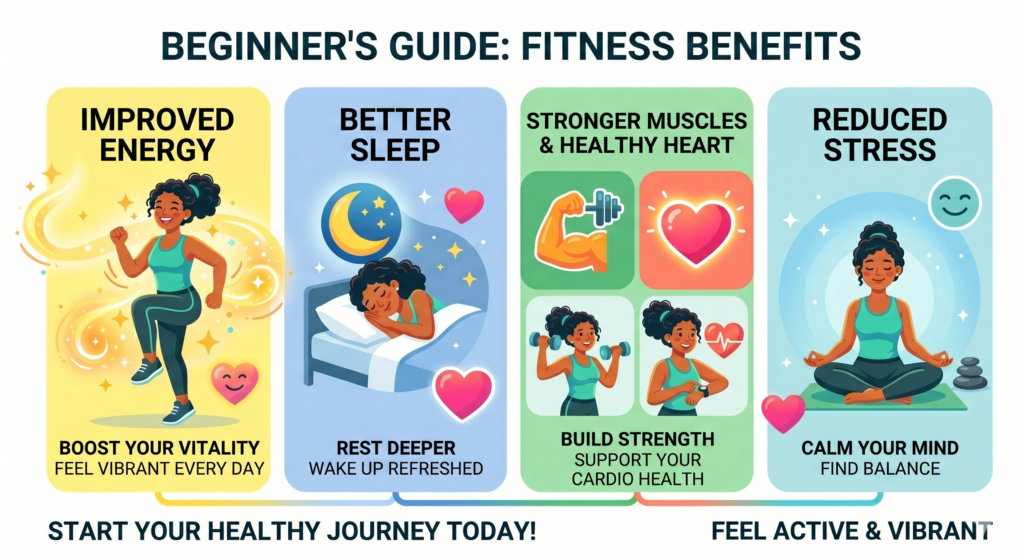
They improve your overall health – Even light exercise can lower blood pressure, improve sleep, and reduce stress.
Before You Begin: Important Things to Know
Before jumping into any workout, there are a few things every beginner should keep in mind.
1. Talk to your doctor if needed.
If you have any health conditions, injuries, or have not exercised in a long time, it is a good idea to check with your GP first. This is especially important if you are over 40 or have a history of heart problems.
2. Wear the right clothes and shoes.
You do not need to spend a fortune, but wearing comfortable clothing and supportive trainers makes a big difference. The right shoes protect your feet and ankles during movement.
3. Stay hydrated.
Always drink water before, during, and after your workout. Your body needs fluids to function properly when you are active.
4. Start slow and build up gradually.
This is perhaps the most important tip of all. Many beginners make the mistake of going too hard too soon. Start with lighter exercises and shorter sessions, then slowly increase the difficulty over time.
5. Listen to your body.
If something hurts — and not in the normal ‘I worked hard’ way, but in a sharp or uncomfortable way — stop immediately. Pain is your body telling you something is wrong.
The Simple Beginner Workout Plan
This plan is designed for three days a week. That gives your body enough time to rest and recover between sessions. Rest days are just as important as workout days, so do not skip them!
Each session lasts about 20 to 30 minutes. As you get stronger and fitter, you can slowly increase your time.
Warm-Up (5 Minutes)
Always start with a warm-up. This gets your blood flowing and prepares your muscles for exercise. It helps prevent injuries and makes your workout feel easier.
Try these simple warm-up moves:
March on the spot – Lift your knees up and swing your arms for 1 minute.
Arm circles – Stretch both arms out to the sides and make slow circles, forward and backward, for 30 seconds each.
Shoulder rolls – Roll your shoulders forward 10 times, then backward 10 times.
Hip circles – Place your hands on your hips and make slow circles, 10 times in each direction.
Neck rolls – Slowly tilt your head from side to side. Do not rush this one.
Main Workout (15–20 Minutes)
Here are five simple exercises that work your whole body. You do not need any equipment at all.
1. Squats
What it works: Thighs, bottom, and core
Stand with your feet shoulder-width apart. Slowly bend your knees and lower your body as if you are sitting back into a chair. Keep your back straight and your knees behind your toes. Then push back up to standing.
Beginners: 10 reps, 2 sets
Rest: 30 seconds between sets
Tip: Do not let your knees fall inward. Keep them pointing forward.
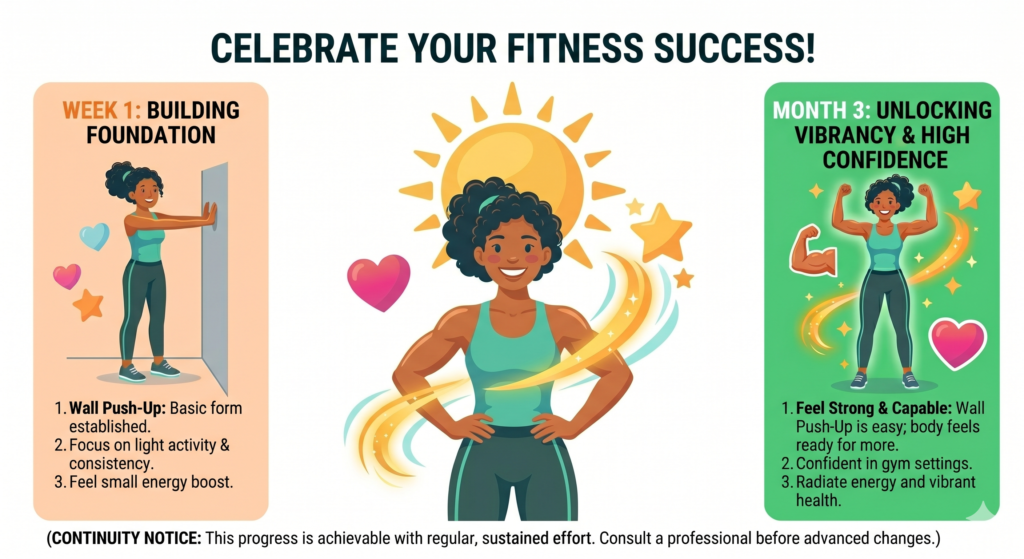
2. Wall Push-Ups
What it works: Chest, shoulders, and arms
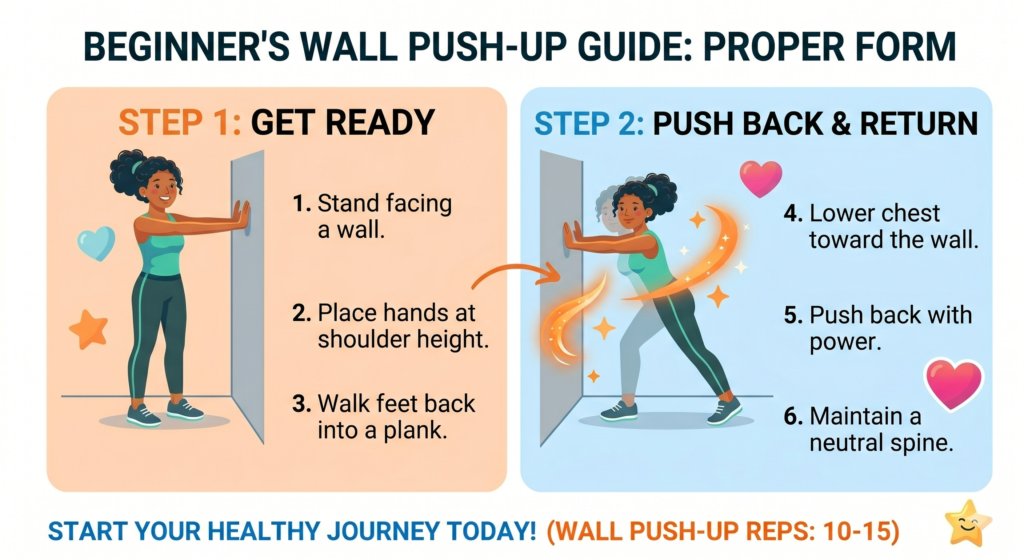
Stand facing a wall, about an arm’s length away. Place your hands flat on the wall at shoulder height. Slowly bend your elbows and lean toward the wall, then push yourself back. This is a gentler version of the floor push-up and is perfect for beginners.
Beginners: 10 reps, 2 sets
Rest: 30 seconds between sets
Tip: Keep your body in a straight line from head to heels.
3. Standing Calf Raises
What it works: Calves and ankles
Stand behind a chair and hold it for balance. Rise up onto the balls of your feet, hold for a second, then slowly lower back down.
Beginners: 15 reps, 2 sets
Rest: 30 seconds between sets
Tip: Go slow on the way down. That is where the real benefit happens.
4. Glute Bridges
What it works: Bottom, lower back, and core
Lie flat on your back with your knees bent and your feet flat on the floor. Push through your heels and lift your hips up toward the ceiling. Hold for 2 seconds at the top, then slowly lower back down.
Beginners: 10 reps, 2 sets
Rest: 30 seconds between sets
Tip: Squeeze your bottom muscles at the top of the movement for best results.
5. Marching in Place
What it works: Heart, legs, and coordination
Simply march on the spot, lifting your knees up to hip height and swinging your arms. Pick up the pace a little to get your heart pumping.
Beginners: 1 minute, 2 sets
Rest: 30 seconds between sets
Tip: Pump your arms to increase your heart rate and burn more calories.
Cool-Down (5 Minutes)
Never skip the cool-down. It helps your heart rate return to normal and prevents your muscles from becoming stiff and sore the next day.
Try these cool-down stretches:
Hamstring stretch – Stand tall and gently reach for your toes. Hold for 20 seconds.
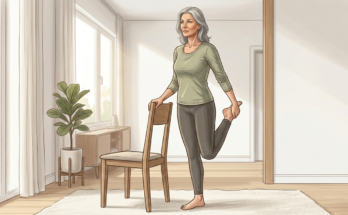
Quad stretch – Stand on one leg, bend the other knee, and hold your ankle behind you. Hold for 20 seconds each side.
Chest stretch – Clasp your hands behind your back and gently lift your arms. Hold for 20 seconds.
Deep breathing – Take 5 slow, deep breaths to calm your body and mind.
How Often Should You Work Out as a Beginner?
For most beginners, three days a week is the sweet spot. Here is a simple example weekly schedule:
| Day | Activity |
| Monday | Beginner Workout |
| Tuesday | Rest or light walk |
| Wednesday | Beginner Workout |
| Thursday | Rest or light walk |
| Friday | Beginner Workout |
| Saturday | Light activity |
| Sunday | Rest day |
On your rest days, you do not have to be completely inactive. A gentle 20-minute walk is a brilliant way to stay active without putting strain on your body.
Tips to Stay Motivated and Keep Going
Starting is the hardest part. Staying consistent is the second hardest. Here are some tried-and-tested tips to keep you on track:
Set small, realistic goals.
Instead of saying ‘I want to lose 2 stone in a month,’ try ‘I want to complete three workouts this week.’ Small wins add up quickly.
Track your progress.
Write down what you did after each workout. Seeing your improvements over time is incredibly motivating.
Find a workout buddy.
Exercising with a friend makes the whole experience more enjoyable — and you are less likely to skip a session!
Make it fun.
Put on your favourite playlist, work out in front of the TV, or try different exercises to keep things interesting.
Celebrate your wins.
Finished your first full week of workouts? That is a big deal! Reward yourself with something you enjoy (other than skipping a workout!).
Be kind to yourself.
Some days will be harder than others. If you miss a session, do not beat yourself up. Just get back on track the next day.
What Happens to Your Body When You Start Exercising?
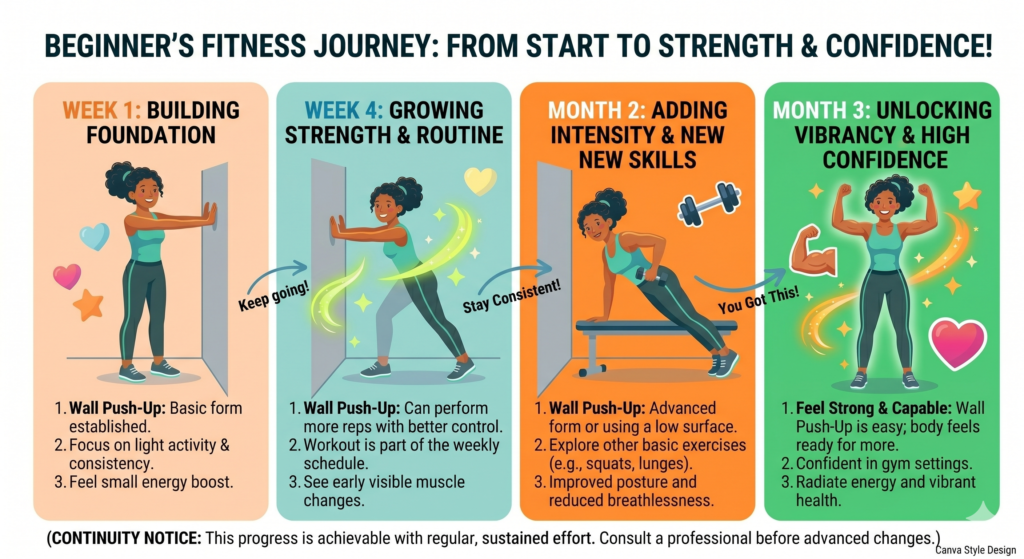
You might be wondering — what will I actually feel and notice once I start working out regularly? Here is what most beginners experience:
Week 1–2: You may feel a bit sore after sessions (this is normal), but your energy levels will begin to improve.
Week 3–4: You will notice the exercises getting easier. Your stamina is improving.
Month 2: Your clothes may start to fit differently. Your posture improves. Sleep gets better.
Month 3 onwards: Real, visible changes start to show. You feel stronger, more confident, and more motivated than ever.
The key is consistency. You do not have to be perfect — you just have to keep showing up.
Final Thoughts: Your Journey Starts Today
There is no perfect time to start getting fit. There is only now. You do not have to be an athlete to exercise. You do not need to look a certain way, weigh a certain amount, or have any prior experience. All you need is the decision to begin.
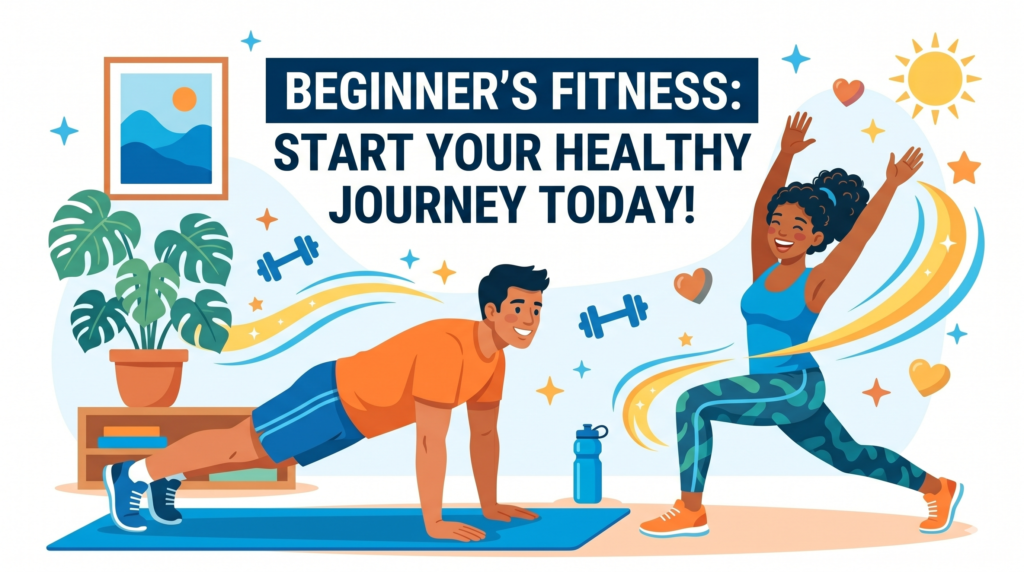
This simple beginner workout plan is your first step. It is gentle, effective, and built to help you succeed — not burn you out. Follow it three times a week, rest well, drink plenty of water, and fuel your body with good food, and you will be amazed at what you can achieve.
You have got this. Start today, and your future self will thank you.
Always consult your GP before beginning a new exercise programme, especially if you have pre-existing health conditions.