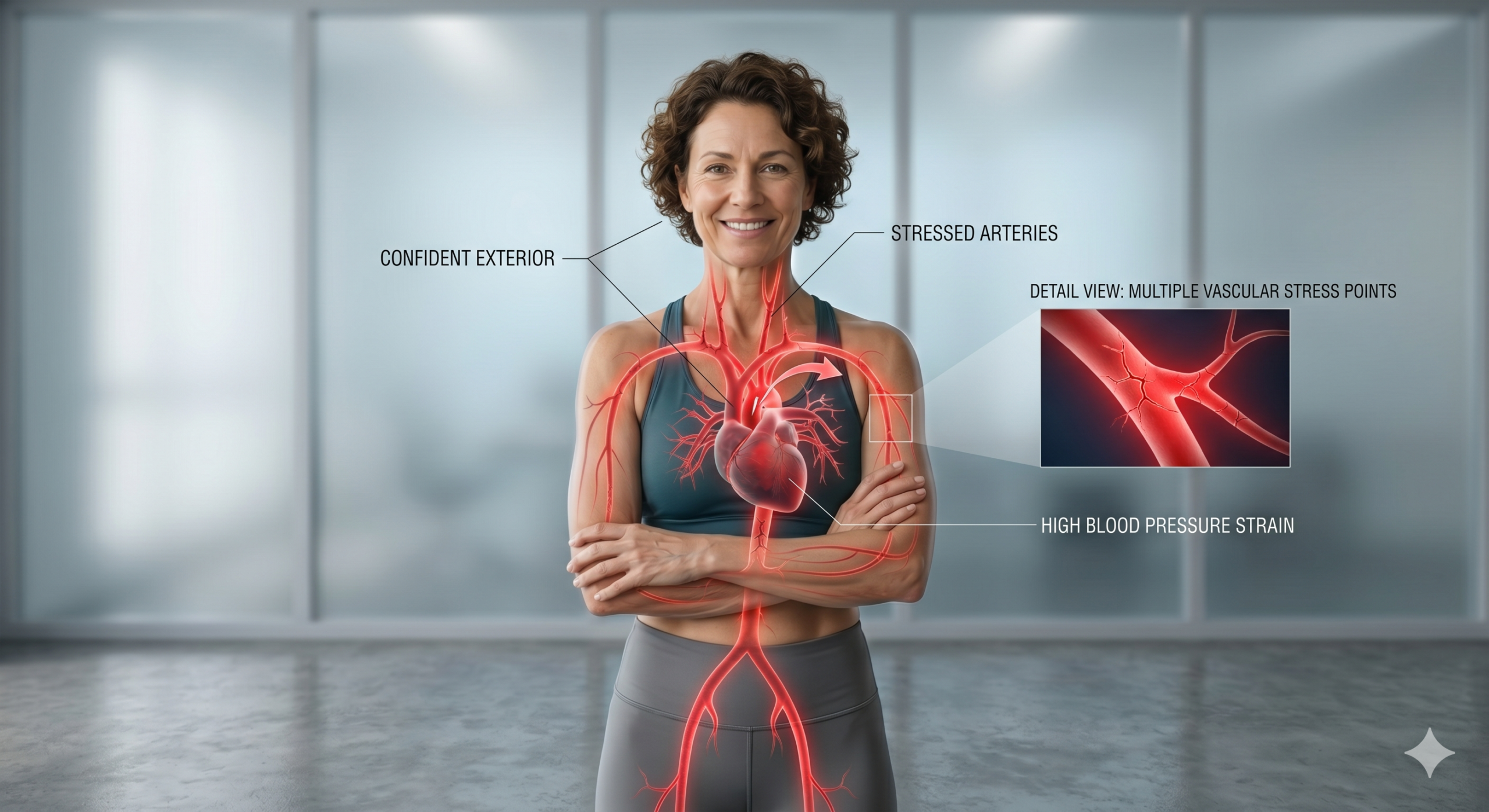
It causes no pain. It announces no warning. Yet it quietly damages your
heart, brain, kidneys, and eyes — often for years before anyone notices.
Here is everything you need to know about hypertension, and exactly
what to do about it.
Imagine a thief who robs you slowly, in complete silence, every
single night. By the time you realize something is wrong, years of
damage have already been done. That is precisely how high blood
pressure works. It carries no obvious signs, causes no immediate pain,
and asks for no attention — yet it steadily chips away at your most vital
organs: your heart, your brain, your kidneys, and your eyes. Doctors
have called it “the silent killer” for good reason, and that name has
never been more deserved than it is today.
The numbers are staggering. Across the globe, an estimated 1.3 billion
adults are living with hypertension. In the United States alone, nearly
half of all adults carry this diagnosis — yet only about one in five has
their blood pressure properly controlled. Millions more have no idea
the condition exists inside them. This is not a rare or exotic disease. It
is one of the most common and most dangerous chronic conditions on
the planet, and the gap between how serious it is and how seriously
most people take it may be the defining public health challenge of our
generation.
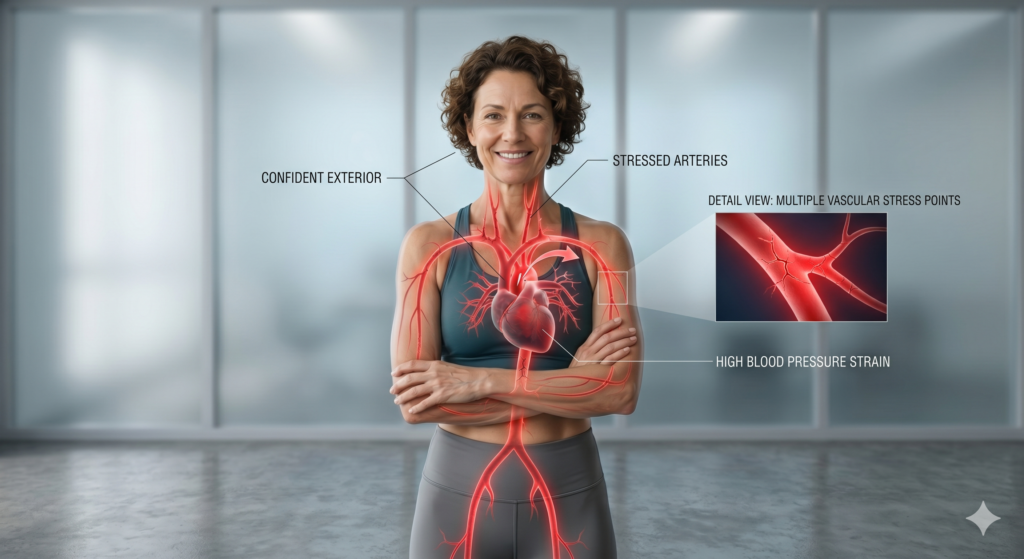
Your heart beats around 100,000 times every day, pushing blood
through a vast network of arteries, veins, and capillaries that would
You can have high blood pressure for a decade and feel You can have high blood pressure for a decade and feel You can have high blood pressure for a decade and feel
completely fine.
That feeling of wellness is not protection.It is the illusion that makes this condition so deadly.
What Exactly Is Blood Pressure — and
When Does It Become Dangerous?
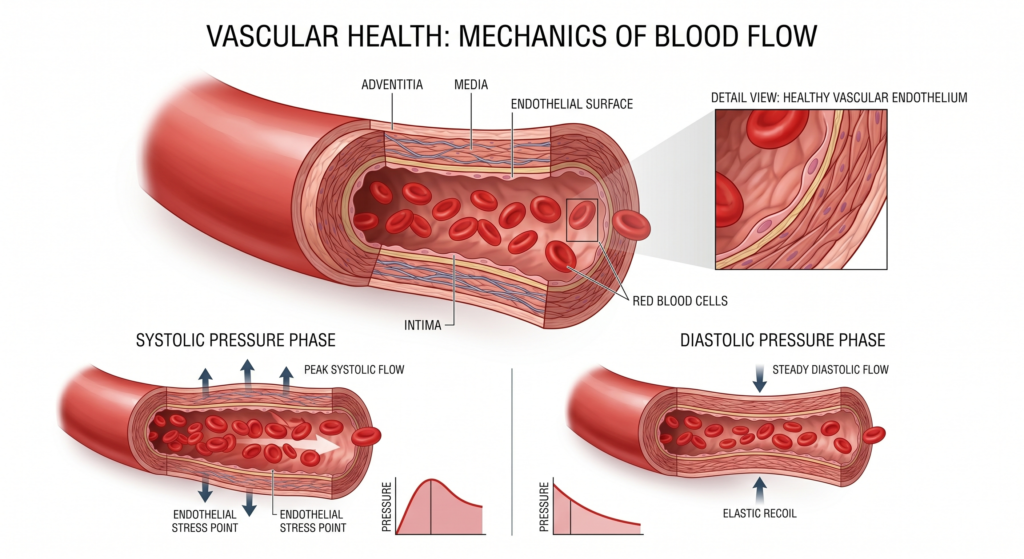
Your heart beats around 100,000 times every day, pushing blood
through a vast network of arteries, veins, and capillaries that would stretch over 60,000 miles if laid end to end.
Every time the heart contracts, it sends a surge of blood outward into the arteries. The force
of that surge against the artery walls is what we call blood pressure.
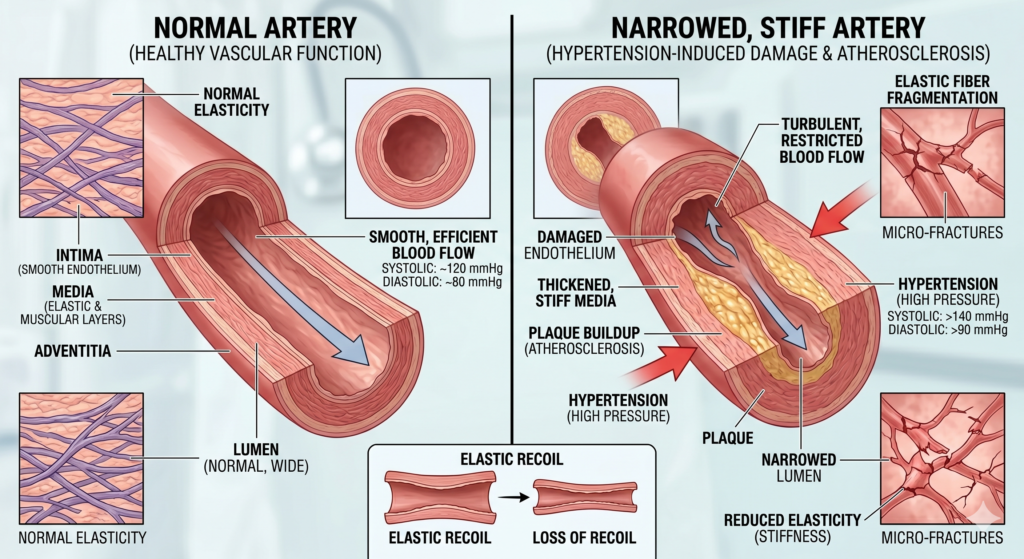
Blood pressure is measured using two numbers. The top number —
systolic pressure — captures the force generated when the heart
actually beats. The bottom number — diastolic pressure — reflects the
pressure remaining in the arteries while the heart rests between between the beats.Both are measured in millimeters of mercury , written as mmHg.
A single high reading does not confirm hypertension. Doctors typically
look for consistently elevated readings across two or more separate
visits before making a diagnosis. This is important because blood
pressure naturally fluctuates throughout the day — rising with stress,
exercise, or even the anxiety of being in a medical setting (a
phenomenon aptly called “white coat hypertension”).
Why It’s Called the Silent Killer: The
Absence of Symptoms
This is where most people go wrong. They assume that if something is
seriously wrong with their body, they will feel it. With high blood
pressure, that assumption can be fatal. The vast majority of people
with hypertension experience no symptoms whatsoever — not a
headache, not dizziness, not breathlessness — even when their
readings are dangerously elevated.
It is only when blood pressure reaches extreme levels — typically
above 180/120 mm Hg — that symptoms may appear. These can
include a severe pounding headache, sudden blurred or double vision,
chest tightness or pain, difficulty breathing, nausea, or a feeling of
confusion. At this point, the situation has become a hypertensive crisis,
and emergency medical care is required immediately. Waiting it out is
not an option.
The cruel irony is that by the time symptoms appear, significant organ
damage has usually already occurred. The arteries have stiffened. The
heart muscle has thickened. The kidneys may have lost a portion of
their filtering capacity. The retinal blood vessels in the eyes may be
showing early signs of damage.All of this has happened quietly, over
months or years, while the person felt perfectly well.
What Causes Blood Pressure to Rise?
Primary (Essential) Hypertension
Roughly 90 to 95 percent of all hypertension cases fall into the
“primary” or “essential” category, meaning there is no single
identifiable medical cause. Instead, blood pressure rises gradually over
years as a result of the interaction between genetics and lifestyle. This
is the type most people develop as they age.
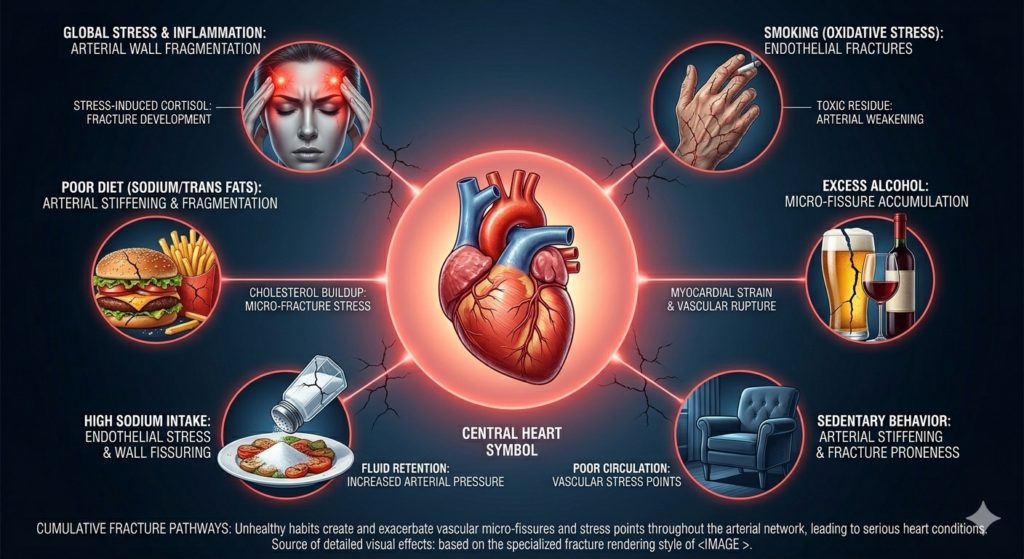
KEY RISK FACTORS FOR HIGH BLOOD PRESSURE
Age — Risk climbs significantly after 65
Family history — Genetics load the gun
Obesity — Extra weight strains the heart and vessels
High sodium diet — Salt causes water retention, raising
pressure
Sedentary lifestyle — Inactivity weakens cardiovascular
fitness
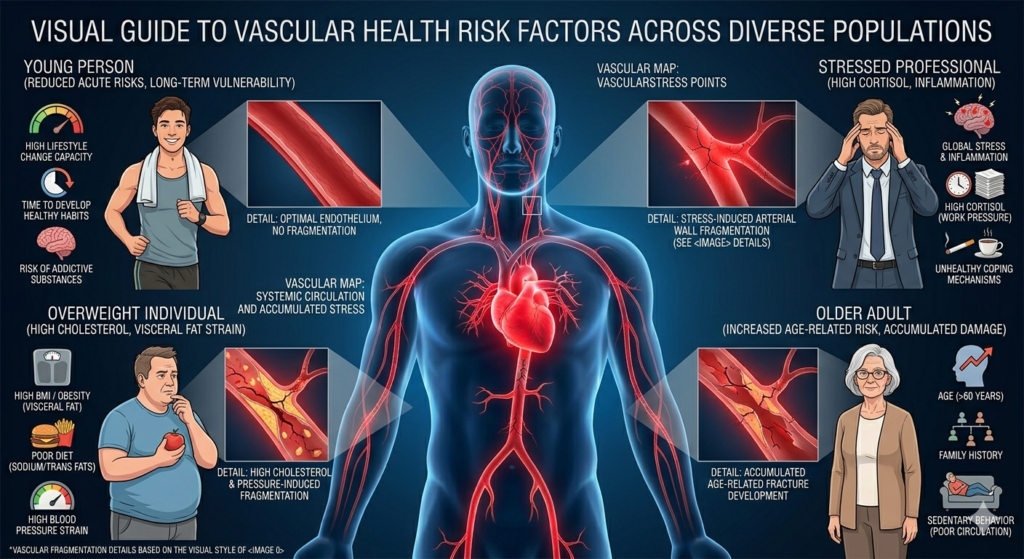
Chronic stress — Triggers hormones that spike BP
Excess alcohol — More than 1–2 drinks daily is harmful
Smoking — Damages and narrows blood vessel walls
Diabetes — Frequently clusters with hypertension
Race & ethnicity — Higher prevalence in Black individuals
Secondary Hypertension
The remaining 5 to 10 percent of cases are classified as “secondary”
hypertension — meaning an identifiable underlying condition is
directly driving the elevated pressure. Common culprits include
chronic kidney disease, thyroid disorders (both underactive and
overactive), sleep apnea, adrenal gland tumors, and certain medications including birth control pills, decongestants, and NSAIDs. When a secondary cause is found and treated, blood pressure often normalizes
— sometimes without the need for ongoing hypertension medication.
The Damage Hypertension Does — Organ
by Organ
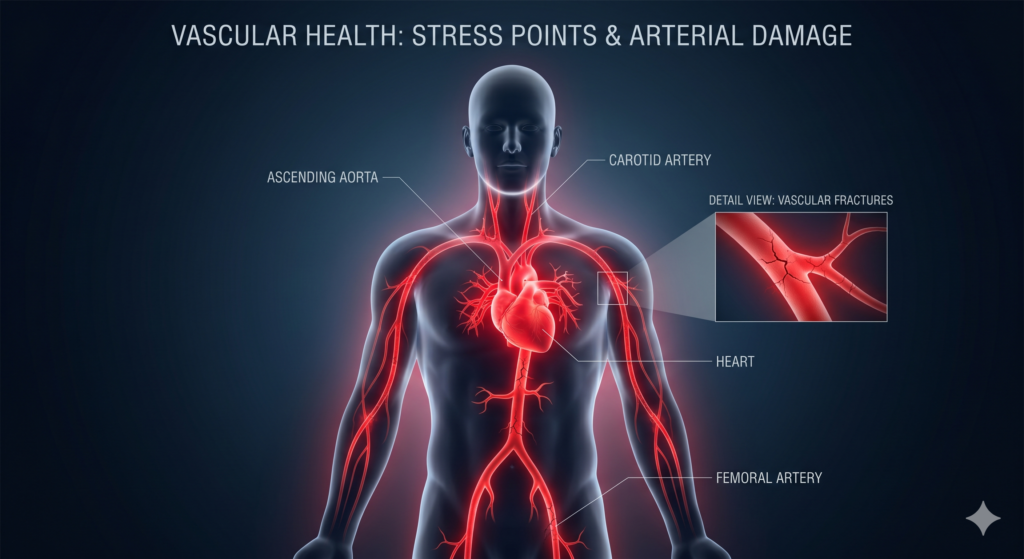
Sustained high pressure is like running a water hose at too high a
setting for too long. The hose — your arteries — gradually weakens,
stiffens, and develops weak spots. The consequences ripple through
every organ that depends on those arteries for blood supply.
The Heart
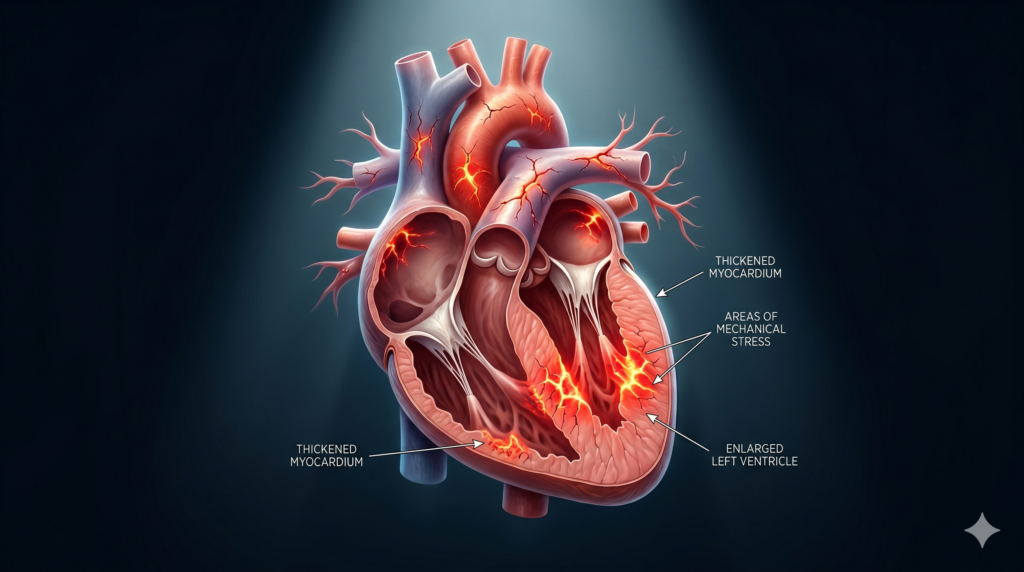
The heart must work harder to push blood against elevated resistance.
Over time, the heart muscle thickens — a condition called left
ventricular hypertrophy — which paradoxically weakens the heart’s
pumping ability. Hypertension is the leading cause of heart failure and
a major driver of coronary artery disease and heart attack. It also
dramatically increases the risk of an abnormal heart rhythm called
atrial fibrillation, which itself raises stroke risk.
The Brain
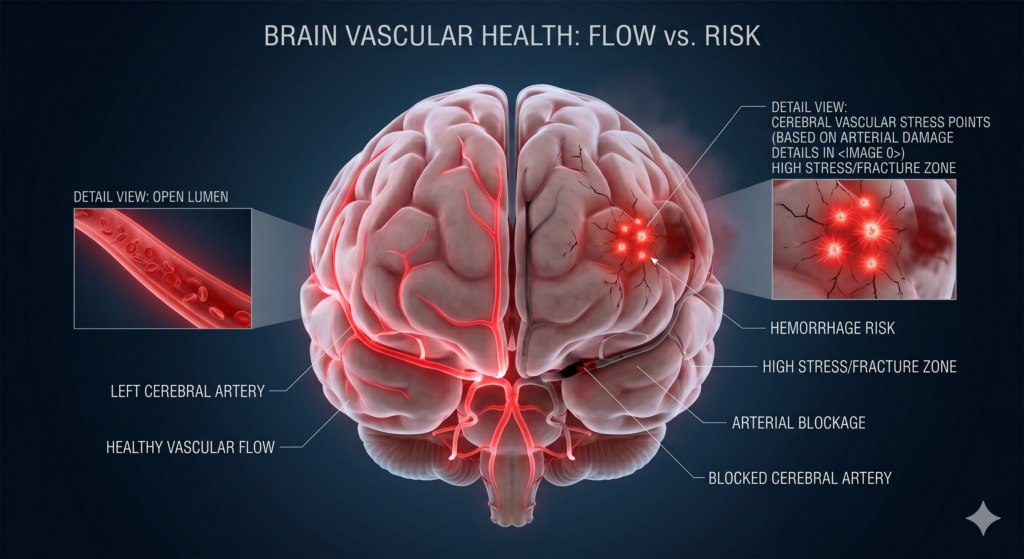
High blood pressure is the single most important modifiable risk factor
for stroke. It can cause both ischemic strokes (where a clot blocks blood
flow to part of the brain) and hemorrhagic strokes (where a blood
vessel actually ruptures). Beyond acute strokes, decades of elevated
pressure quietly damages small vessels in the brain, contributing to
vascular dementia and cognitive decline. Research increasingly links
poorly controlled hypertension in middle age to a significantly higher
risk of Alzheimer’s disease later in life.
The Kidneys
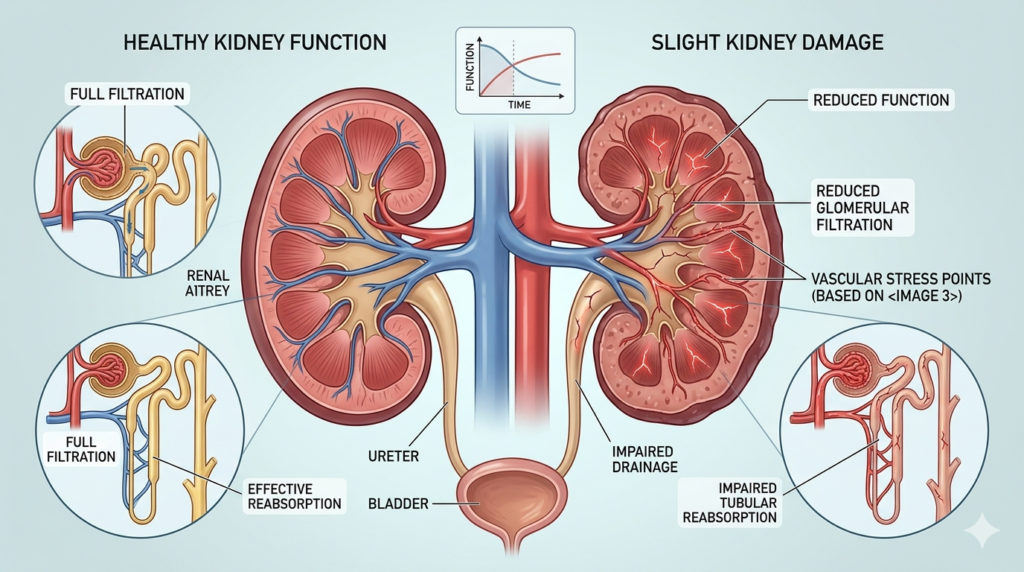
The kidneys filter about 200 liters of blood every single day through an
intricate web of tiny blood vessels. Sustained high pressure damages
these delicate structures, impairing their ability to remove waste
products and regulate fluid balance. Hypertension is one of the two
leading causes of end-stage kidney disease — the condition that
requires dialysis or a transplant. Worryingly, kidney disease itself
further raises blood pressure, creating a destructive cycle that
accelerates decline in both organs simultaneously.
The Eyes
The retina at the back of each eye contains some of the finest, most
fragile blood vessels in the entire body. Chronically elevated blood
pressure damages these vessels — a condition called hypertensive
retinopathy — leading to bleeding, fluid leakage, and in severe cases,
sudden vision loss. Regular eye exams can actually reveal signs of
vascular damage from hypertension before other symptoms emerge,
making them a surprisingly valuable early warning tool.
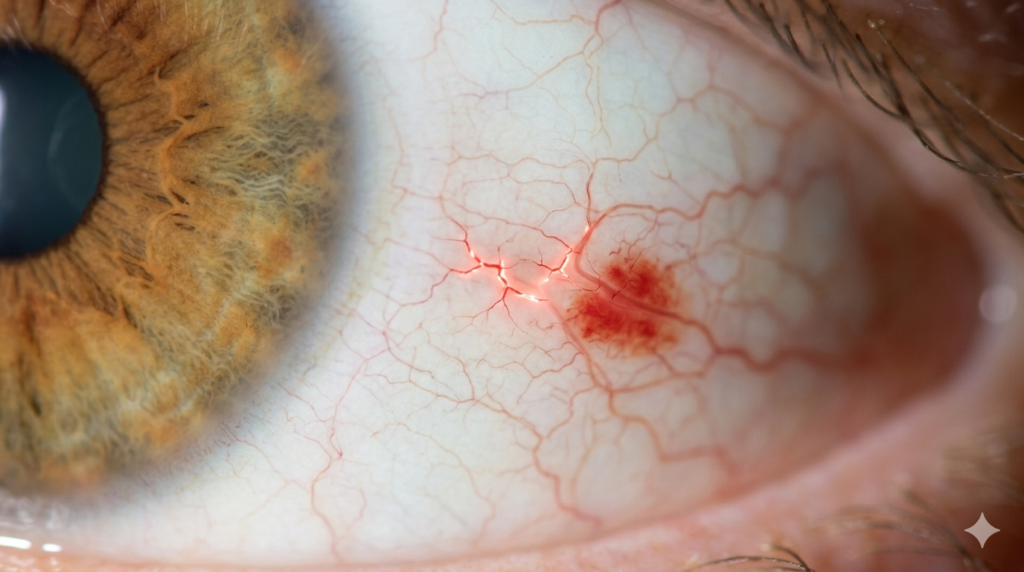
Hypertension doesn’t pick a favorite organ. It attacks all Hypertension doesn’t pick a favorite organ. It attacks all of them simultaneously, at a pace slow enough that you
never see it coming.
Diagnosing and Monitoring High Blood Pressure
Diagnosis requires more than a single measurement. Medical
guidelines recommend confirming elevated readings across at least
two separate visits, with multiple readings taken each time. Home
blood pressure monitoring has become a valuable complement to office
visits — many people’s readings differ significantly between clinical
and home settings, and tracking a pattern over time gives doctors far
more useful information than a single snapshot.
Modern smartwatches and wearable devices are making continuous
monitoring increasingly accessible, though clinical-grade accuracy still
matters. If you use a home device, have it calibrated against your
doctor’s equipment at least once a year. Always measure at the same
time of day, after resting quietly for five minutes, and with your arm supported at heart level for consistent results.
How to Lower Blood Pressure: Lifestyle
Changes That Actually Work
Here is the genuinely good news: blood pressure responds remarkably
well to lifestyle intervention. For many people — particularly those in
the early stages — meaningful reductions are achievable without
medication, or at least with a lower dose of medication combined with
healthy habits.
How to Lower Blood Pressure: Lifestyle
Changes That Actually Work
is even better. Processed and packaged foods are the biggest
hidden source.
EVIDENCE-BASED LIFESTYLE CHANGES
- Reduce sodium intake. The target for most adults is under
2,300 mg of sodium per day — roughly one teaspoon of salt.
For those already diagnosed with hypertension, under 1,500 mg
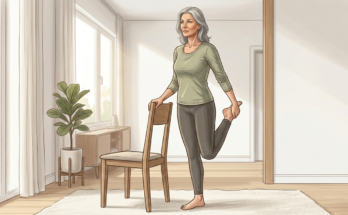
is usually recommended. - Move your body consistently. Aerobic exercise — brisk
walking, swimming, cycling, dancing — for at least 150
minutes per week can lower systolic blood pressure by 5 to 8
mm Hg. Strength training adds additional benefit. - Achieve and maintain a healthy weight. Losing even 5
kilograms (about 11 pounds) in someone who is overweight can
reduce systolic pressure by up to 5 mm Hg. - Adopt the DASH eating pattern. The Dietary Approaches to
Stop Hypertension (DASH) diet — rich in fruits, vegetables,whole grains, low-fat dairy, and lean protein — has been shown - in clinical trials to lower blood pressure as effectively as some
- medications.
- Limit alcohol. No more than one drink per day for women, two
for men. Exceeding this directly raises blood pressure and
blunts the effectiveness of medication. - Quit smoking. Every cigarette causes a temporary spike in
blood pressure, and long-term smoking progressively stiffens
and narrows the arteries. The benefits of quitting begin within
hours and compound over years. - Manage stress actively. Chronic psychological stress keeps the
body in a prolonged fight-or-flight state that elevates cortisol
and adrenaline — both of which raise blood pressure.
Meditation, deep breathing, yoga, and simply protecting time
for rest are not luxuries. They are medicine.
For many people — especially those at Stage 2 hypertension or with
additional cardiovascular risk factors — lifestyle changes alone are not enough.

Medications: When Lifestyle Isn’t Enough
For many people — especially those at Stage 2 hypertension or with
additional cardiovascular risk factors — lifestyle changes alone are not
Medications: When Lifestyle Isn’t Enough
sufficient to bring blood pressure to a safe level. This is not a failure.It is simply a nature of condition that has a strong genetic associations.
COMMON CLASSES OF BLOOD PRESSURE MEDICATION
ACE Inhibitors & ARBs — Relax blood vessels by blocking
hormones that cause constriction; also protect kidneys in
diabetic patients
Calcium Channel Blockers — Prevent calcium from entering
heart and artery cells, allowing vessels to relax and widen
Diuretics (Water Pills) — Help kidneys remove excess sodium
and water, reducing the volume of blood the heart must pump
Beta-Blockers — Slow the heart rate and reduce the force of
each beat, lowering the pressure generated with each pulse
Combination Therapy — Many patients achieve better control
with two low-dose medications than one high-dose drug.
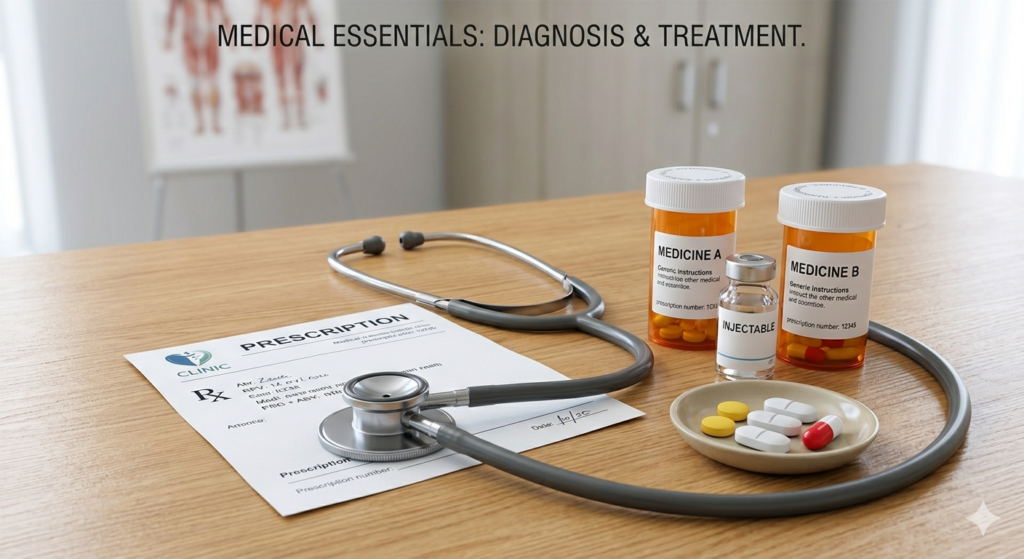
Reducing side effects
Medication adherence is one of the biggest challenges in hypertension management.. Because the condition causes no symptoms, it is
tempting to skip doses when “feeling fine” or to stop medication once
readings normalize. This is dangerous. Blood pressure medications
control the condition — they do not cure it. Stopping them without
medical guidance typically causes readings to rebound, sometimes
even higher than before.
If you have read this far, you already know more about hypertension
than most people do. But knowledge only matters if it becomes action.
And the single most important action anyone can take is also the
simplest: find out what your blood pressure actually is.
You do not need an appointment for that first step. Pharmacies and
community health clinics offer free blood pressure checks. Many
workplaces and gyms have monitors available. A reliable home cuff
costs less than a dinner out. Five minutes and a number could be the
most important investment you make in your long-term health.
If your readings are normal, celebrate that and keep doing what you are
doing. If they are elevated, do not wait, do not hope they will fix
themselves, and do not convince yourself that because you feel fine,
you must be fine. Talk to a doctor. Start with the lifestyle changes.
Understand your options. Take this seriously while it is still easy to
address — because the alternative is waiting until the silence ends with
something loud and devastating.
Your Action Plan Starts Today
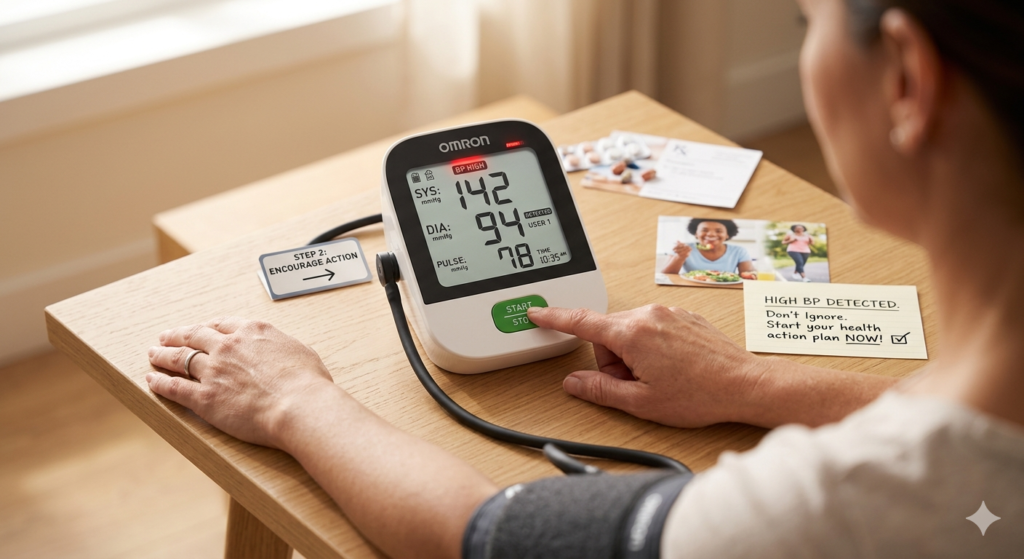
Small steps, taken consistently, can reduce blood pressure and add
years to your life. Here’s where to begin:
A Final Word: Take the Five-Minute Test
Check your BP at a
pharmacy or clinic
this week
Start reading
sodium labels on
packaged food
Add a 30-minute
walk to your daily
routine
Try the DASH diet
for just two weeks

Book a GP check-up
if you haven’t had
one this year
This article is written for educational and informational purposes only. It does not constitute
medical advice, diagnosis, or treatment. Always consult a qualified healthcare professional
before making changes to your medications, diet, or health routine. Statistics referenced are
drawn from WHO, CDC, NIH, and peer-reviewed medical literature current to 2026. All content
is original and independently written.