

Being told your blood sugar is slightly elevated can be unsettling, especially if you’ve recently been labeled as “pre-diabetic.” The reality is that this condition is incredibly common. Health data from the Centers for Disease Control and Prevention indicates that nearly 100 million adults in the United States fall into the pre-diabetic range — and most are completely unaware of it. (Suggested link: CDC Prediabetes Statistics page)

Despite how it sounds, pre-diabetes is not a fixed destination. It is a reversible metabolic state, and lifestyle interventions can make a significant difference. Among the strategies gaining attention in both clinical research and wellness circles is intermittent fasting (IF) — a structured eating pattern that may improve how the body regulates blood sugar. (Suggested link: overview of intermittent fasting basics)
Understanding Insulin Sensitivity and Its Role in Blood Sugar Control
To understand why fasting may help, it’s important to first look at how blood sugar regulation works.
Every time you eat carbohydrates, your body converts them into glucose, which enters the bloodstream. In response, the pancreas releases insulin, a hormone responsible for moving glucose into cells where it can be used for energy. (Suggested link: insulin function explained – e.g., NHS or Mayo Clinic)
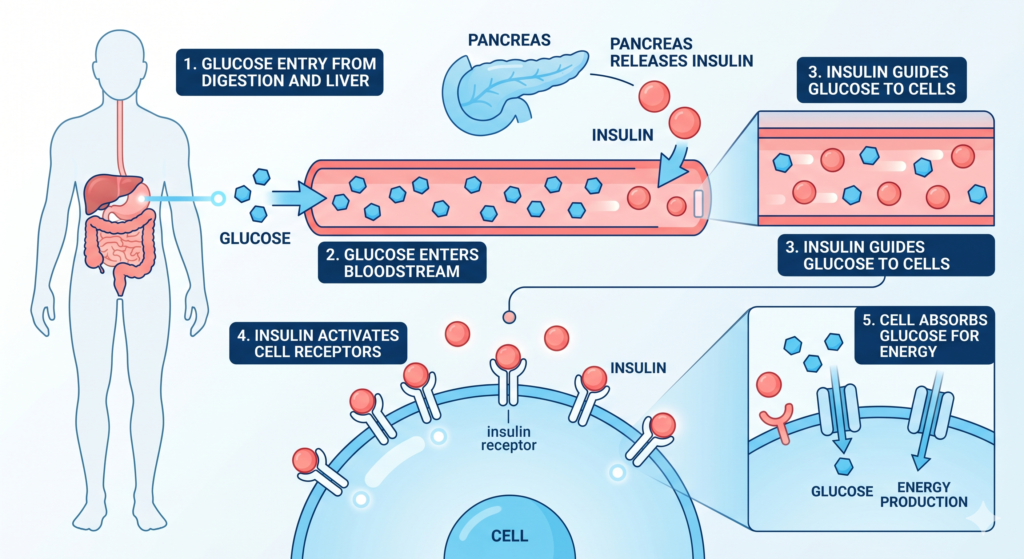
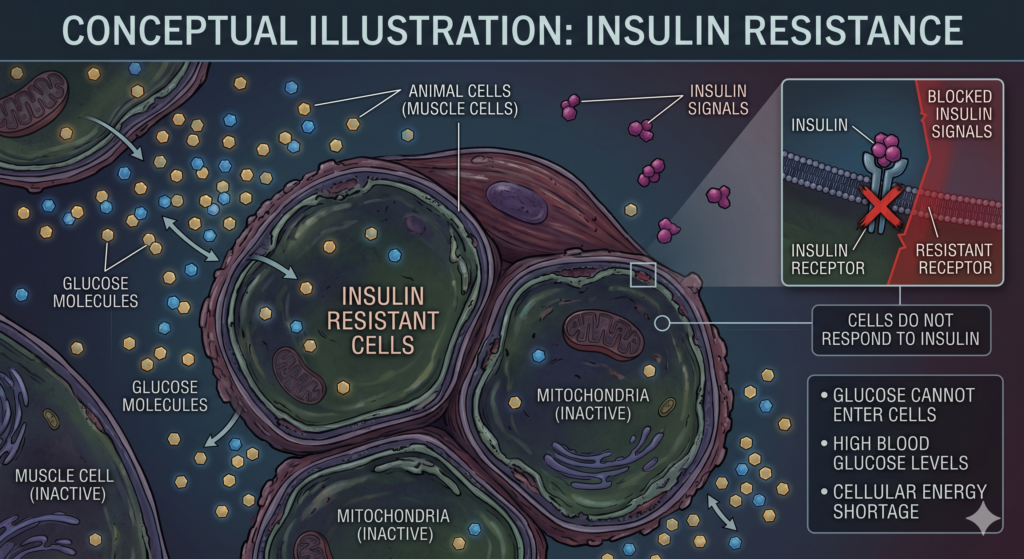
In a well-functioning system, this process is efficient and balanced. However, when cells begin to respond less effectively to insulin, a condition known as Insulin Resistance develops. The pancreas compensates by producing more insulin to achieve the same effect, but over time this becomes unsustainable.
As insulin resistance progresses, blood glucose levels gradually rise. This stage is commonly identified as Prediabetes and, if left unmanaged, may eventually lead to Type 2 Diabetes. (Suggested link: NHS prediabetes guide or ADA resource)
Why Intermittent Fasting Can Support Insulin Function
Intermittent fasting involves cycling between periods of eating and voluntary fasting. Rather than focusing on what you eat, it emphasizes when you eat.
1. Reduction in Insulin Output
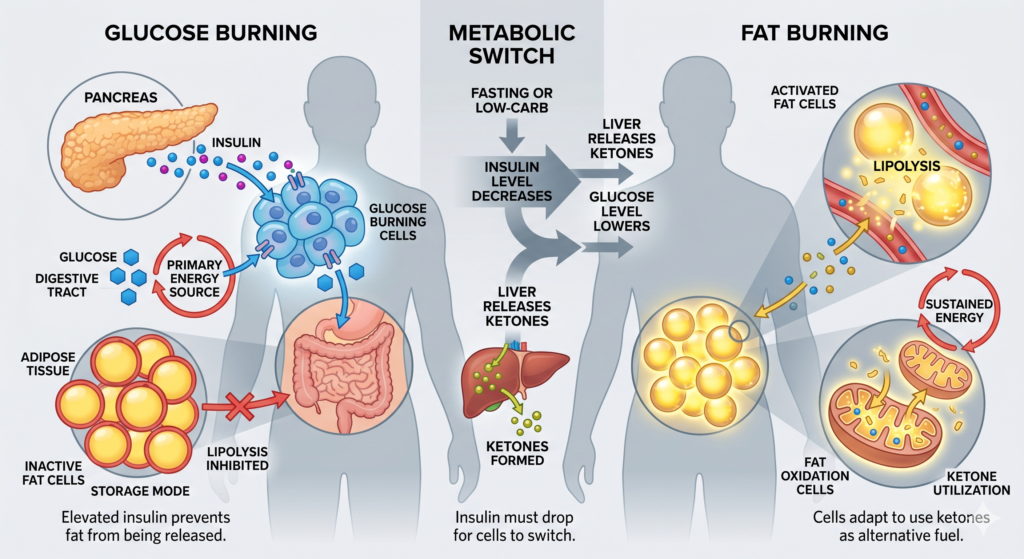
When food intake stops, glucose from meals is no longer entering the bloodstream. As a result, insulin levels naturally decline, giving the body periodic relief from constant insulin activity.
Research published in Nutrients (2023) found that time-restricted eating patterns were associated with improved insulin markers in individuals with metabolic dysfunction. (Suggested link: study or journal article page)
2. Use of Stored Energy Reserves
After several hours without food, the body begins to use stored glycogen for energy. Once depleted, it shifts toward fat metabolism — often referred to as Ketosis.
This shift reduces reliance on constant glucose supply and may help stabilize blood sugar levels. (Suggested link: ketosis explained)
3. Reduction in Systemic Inflammation
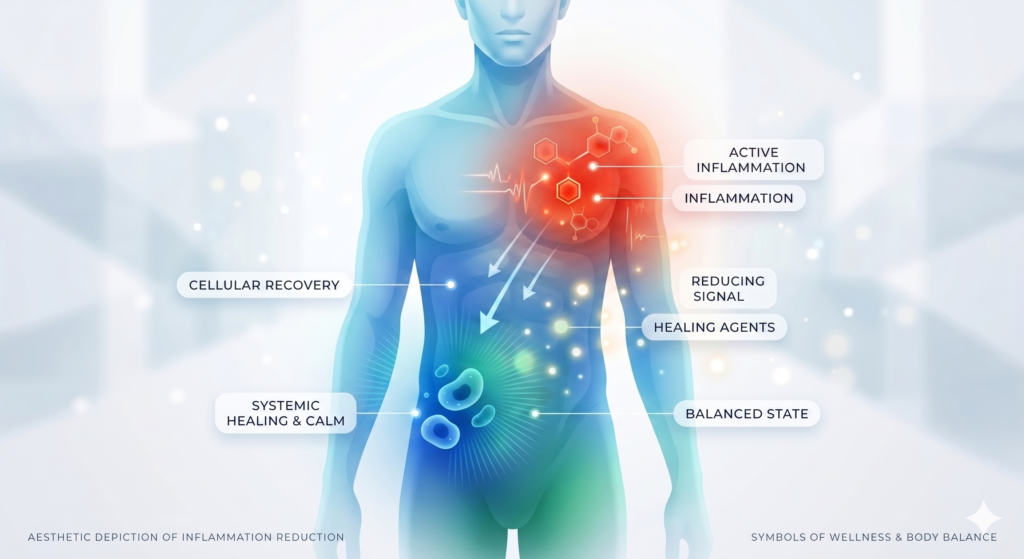
Chronic inflammation plays a role in worsening insulin resistance. Markers such as C-reactive protein (CRP) and interleukin-6 (IL-6) are often elevated in metabolic disorders.
Fasting has been associated with reductions in these markers, potentially improving how cells respond to insulin. (Suggested link: inflammation and insulin resistance article)
4. Effects of Weight Reduction
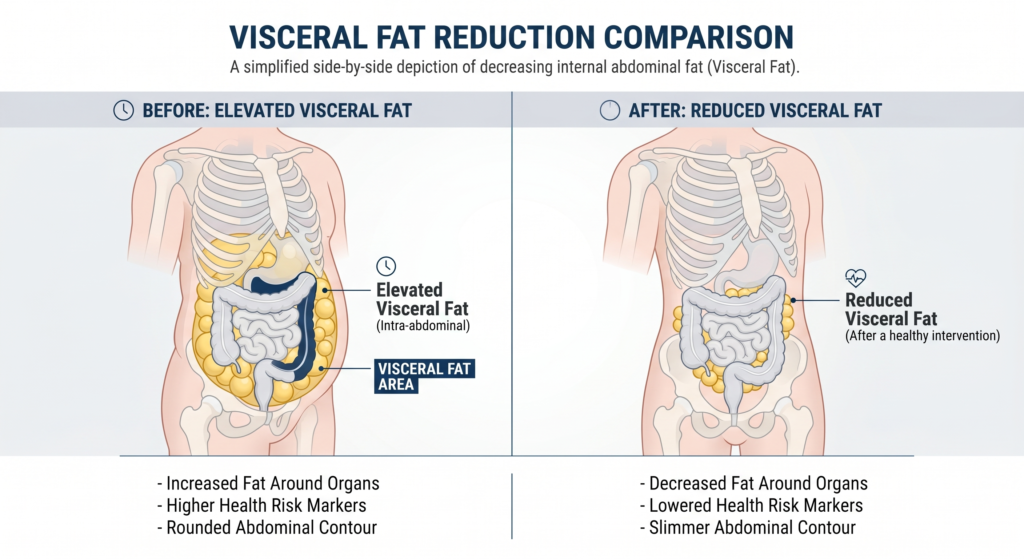
Many individuals experience weight loss with intermittent fasting. Since excess abdominal fat is strongly linked to insulin resistance, even modest weight reduction (5–10%) can significantly improve metabolic health. (Suggested link: weight loss and insulin sensitivity research)
Common Intermittent Fasting Approaches for Blood Sugar Management
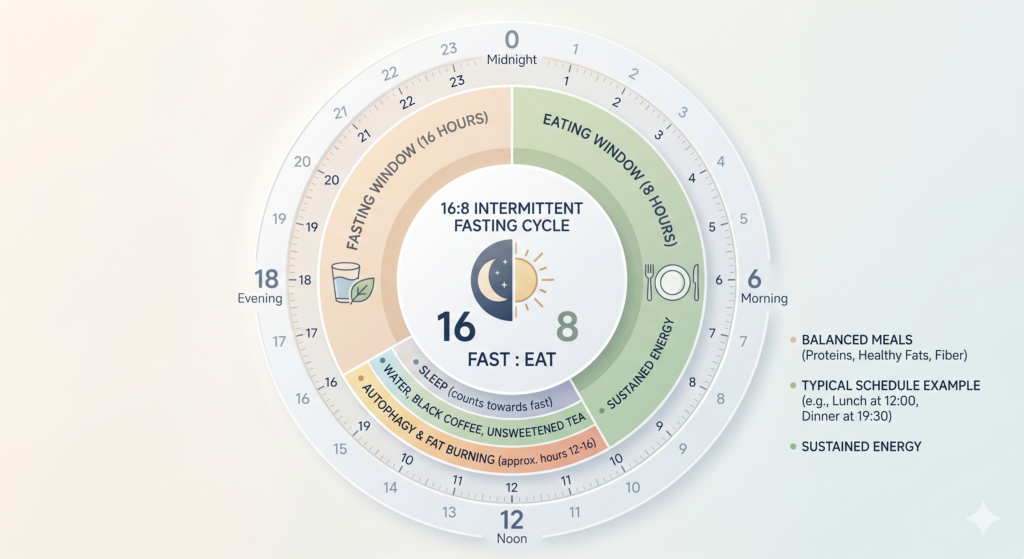
16:8 Time-Restricted Eating
Fast for 16 hours and eat within 8. This is the most accessible and widely studied approach. (Suggested link: beginner guide to 16:8 fasting)
5:2 Fasting Pattern
Eat normally five days a week, restrict calories on two days. (Suggested link: 5:2 fasting explanation)
Early Time-Restricted Eating (eTRE)
Eating earlier in the day (e.g., 7 AM–3 PM) aligns with circadian biology. Research from the University of Alabama supports its metabolic benefits. (Suggested link: eTRE study summary)
Dietary Choices During Eating Windows
Intermittent fasting is most effective when paired with balanced nutrition.

Focus on:
- High-fiber foods (Suggested link: fiber and blood sugar control)
- Lean protein (Suggested link: protein and glucose response)
- Healthy fats (Suggested link: healthy fats guide)
- Low-glycemic fruits (Suggested link: glycemic index chart)
Avoid processed foods and refined sugars, which can trigger rapid glucose spikes. (Suggested link: glycemic load explanation)
Safety Considerations for Individuals with Pre-Diabetes
- Consult a healthcare provider (Suggested link: NHS fasting safety guidance)
- Monitor blood glucose (Suggested link: how to track blood sugar)
- Stay hydrated (Suggested link: hydration and metabolism)
- Start gradually (Suggested link: beginner fasting plan)
- Pay attention to symptoms (Suggested link: hypoglycemia symptoms)
Final Thoughts
Intermittent fasting is not a universal solution, but it is a promising strategy for improving insulin sensitivity and metabolic health. By allowing insulin levels to decrease and reducing metabolic strain, it addresses underlying causes rather than just symptoms.